
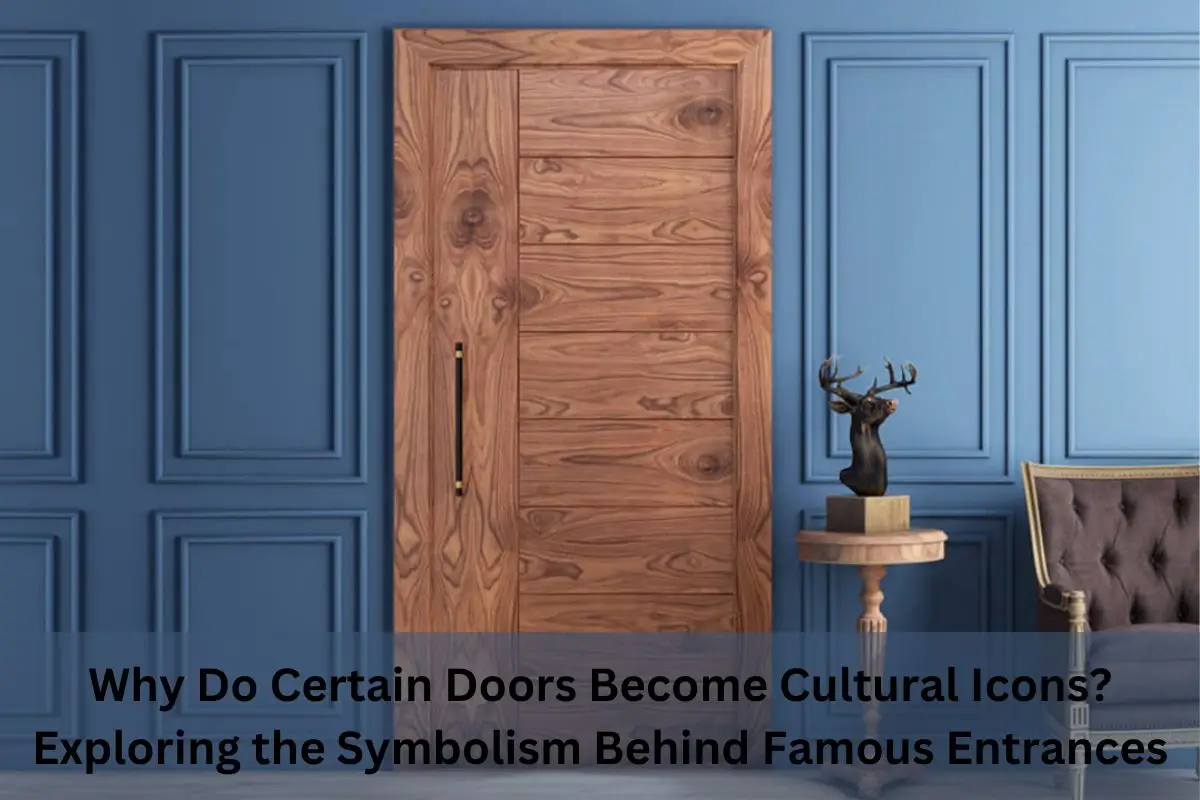
Doors are more than simple architectural elements; they are laden with cultural, historical, and symbolic significance. From ancient gates to modern icons, certain doors transcend their physicality to become symbols of identity, history, and transformation. This exploration delves into what makes these entrances iconic and why they captivate the human spirit.
Historical Doors and Their Cultural Significance
Some doors become cultural symbols because they are closely associated with major historical events, religious traditions, political power, or the identity of a place. The Gates of Ishtar, for example, reflected the power and religious culture of ancient Babylon, while monumental religious entrances such as those associated with St. Peter’s Basilica represent centuries of faith, craftsmanship, and collective memory.
This same connection between architecture and identity can be seen in contemporary entrance design, where a carefully crafted custom front door can communicate architectural character while still serving practical functions such as security and access. Over time, historically important doors become more than physical entry points: they act as visual records of the societies that created and preserved them.
Symbolism and Deeper Meaning: More Than Meets the Eye
The symbolism of doors commonly centers on thresholds, boundaries, transition, choice, and access. An open door may represent welcome, opportunity, acceptance, or a transition into something new, while a closed door can suggest privacy, protection, separation, or an opportunity that is unavailable.
In religious and literary traditions, the meaning depends heavily on the specific text or cultural context rather than having one universal interpretation. This is why the symbolism of doors can differ across cultures, with some traditions emphasizing hospitality and others focusing on spiritual passage, protection, or transformation. For modern architectural applications, these ideas can also influence the character of a home entrance, from wooden entrance doors with traditional detailing to contemporary designs that use proportion, material, and craftsmanship to create a particular impression.
Famous Doors and the Stories They Tell
Some doors are recognized globally due to their compelling stories and associations. The blue door of Notting Hill gained fame through the romantic film, symbolizing love and the allure of London. The iconic black door of 10 Downing Street stands as a representation of political power and leadership. The entrances of the Taj Mahal reflect love and devotion, capturing the heart of an eternal legacy. Fictional doors like the Gates of Moria from The Lord of the Rings also hold a place in cultural memory, blending mythology with reality. These entrances, each with their unique narrative, have become symbols that resonate with people worldwide.

How Door Design Shapes Cultural Meaning
Door design can reinforce symbolism through scale, material, craftsmanship, color, ornamentation, and the relationship between the entrance and its surrounding architecture. Moroccan doors, for example, are often recognized for geometric ornament and handcrafted detailing, while Japanese shoji screens are associated with simplicity, light, and spatial flexibility.
Materials also influence perception: carved wood can communicate craftsmanship and heritage, while glass and metal can create a more contemporary architectural character. These principles remain relevant in residential design today, where custom wood doors can be tailored through timber selection, proportions, finishes, and detailing, while broader entry door designs demonstrate how an entrance can contribute to the identity and visual character of a property.
Literature and Art: Doors as Metaphors
In literature and art, doors often symbolize deeper themes. C.S. Lewis’s The Chronicles of Narnia used a wardrobe door as a portal to another world, embodying mystery and the unknown. This has cemented the wardrobe door as a cultural metaphor for discovery and adventure. In paintings and photographs, doors are used to evoke feelings of isolation, opportunity, or transition. An open door might represent hope, while a closed one could signify loss or secrecy. These symbolic representations underscore how doors can be more than physical boundaries; they can be visual cues for storytelling and reflection.
Doors as Symbols in Social and Political Movements
Certain doors and gateways have become emblematic in social and political contexts. The Brandenburg Gate in Berlin evolved from a symbol of peace to one of division during the Cold War, and later, unity after the fall of the Berlin Wall. The gates of the Bastille in Paris became a powerful symbol during the French Revolution, representing the fight against oppression. Entrances associated with significant historical protests or social movements often become lasting markers of collective resilience and change. These doors hold a special place in cultural consciousness, embodying the spirit of progress and resistance.

The Psychological Power of Entrances
The sight of a door can evoke a range of emotions. A grand, imposing entrance can inspire awe, suggesting power and exclusivity, while a simpler door might convey warmth or humility. Doors influence how people perceive spaces; open, inviting doors create a sense of welcome and interaction, whereas closed doors evoke mystery and protection. The psychological impact of entrances, rooted in their role as barriers and pathways, explains why they can become powerful symbols in culture and memory.
Modern Pop Culture and Media: Doors in the Digital Age
Media and pop culture have amplified the fame of certain doors. The door of Central Perk in Friends became a symbol of friendship and nostalgia. Social media has further propelled the recognition of doors, with vibrant doors in places like Dublin and Santorini becoming popular photography subjects. The aesthetic appeal and shareability of these doors turn them into digital icons, making once-local architectural features internationally recognizable. This influence of media underscores how the meaning of doors continues to evolve in a connected world.
Travel and Tourism: The Pull of Iconic Doors
Tourists often flock to see famous doors that hold cultural, historical, or artistic significance. The Door to Hell in Turkmenistan, a fiery gas crater, has become an unconventional yet fascinating site for adventurers. Painted doors in Burano, Italy, are part of the town’s charm and attract visitors with their colorful, story-filled facades. These iconic doors often serve as focal points for cultural pilgrimages, allowing travelers to connect with the history and stories embedded in them. The draw of these entrances in tourism emphasizes their importance as symbols of a place’s identity and allure.
Conclusion
Certain doors achieve iconic status because they represent more than their function; they encapsulate stories, symbolize values, and evoke emotions. Whether through their historical roots, intricate architecture, or media portrayal, doors resonate deeply with people across cultures and eras. They stand as symbols of transition, opportunity, and identity, reminding us that behind each entrance lies a story worth exploring.
FAQs
Q1: What does doors symbolism mean?
A: Doors symbolism refers to the meanings people attach to entrances, such as transition, opportunity, privacy, protection, choice, or access. The interpretation depends on cultural, religious, literary, and personal context.
Q2: What is the symbolism of doors in different cultures?
A: Door symbolism varies by culture. Doors may represent hospitality, protection, social boundaries, spiritual passage, status, or transition, depending on the traditions and setting.
Q3: What do doors represent in the Bible?
A: In the Bible, doors and entrances can be used as imagery for access, opportunity, protection, separation, or spiritual passage. Their meaning depends on the specific passage rather than one universal interpretation.
Q4: What does an open door mean in the Bible?
A: An open door is sometimes used figuratively in biblical passages to describe an opportunity, access, or an opening for action or ministry. The precise meaning should be interpreted from the surrounding passage.
Q5: What do closed doors symbolize?
A: Closed doors can symbolize privacy, protection, separation, exclusion, or an unavailable opportunity. In literature and art, they can also represent mystery or uncertainty.
Q6: Why are doors often used as symbols of change?
A: A door separates two spaces, so passing through it naturally lends itself to representing a transition from one situation, stage, or experience to another.
Q7: Why are famous doors considered cultural icons?
A: Famous doors often become icons because they are connected to important people, historical events, films, religions, political institutions, or distinctive architectural traditions.
Q8: What is the spiritual meaning of knocking on a door?
A: In spiritual and religious contexts, knocking can represent seeking access, asking for acceptance, or pursuing an opportunity. Its meaning varies considerably between traditions and should not be treated as a universal spiritual rule.
Q9: What does “The Doors” logo refer to?
A: “The Doors” can refer to the American rock band The Doors, whose visual identity and logo are separate from the architectural symbolism of physical doors. Search results for “the Doors logo” should therefore be interpreted in that entertainment context rather than as architectural symbolism.
Q10: How does door design influence symbolism?
A: Size, material, color, ornamentation, craftsmanship, and placement can influence how an entrance is perceived. A monumental door may suggest importance or authority, while a simple, welcoming entrance can communicate warmth and accessibility.