
Dubai’s intense summer heat is one of the most critical factors homeowners and designers must consider when choosing interior flooring, especially in modern spaces featuring expansive floor-to-ceiling windows. These architectural designs, while visually stunning and ideal for maximizing natural light, often intensify indoor temperature exposure due to prolonged sun penetration.
This raises an important question: how well does vinyl flooring perform under such extreme conditions? Known for its durability, heat resistance, and low maintenance qualities, vinyl flooring has become a popular choice in Dubai homes and apartments.
In this article, we explore how different types of vinyl respond to high temperatures, UV exposure, and direct sunlight near large glass façades, and whether it remains a reliable and stylish solution for contemporary Dubai living during peak summer months.
UV Degradation of Pigments: Fading Patterns Under Intense Sun
UV degradation in vinyl flooring occurs when ultraviolet radiation breaks down the chemical bonds in surface pigments and protective coatings. In intense sun exposure, such as Dubai’s climate, this process accelerates and can lead to visible fading, color shifting, or uneven tone development over time.
Darker colors tend to show fading more dramatically because contrast loss is more noticeable. Even high-quality vinyl with stabilizers is not completely immune, but UV-resistant coatings significantly slow the process. Fading patterns often appear near windows, balconies, and skylights where sunlight is most concentrated. Proper UV protection and shading strategies help preserve color consistency.
Dubai Summer Heat: How Vinyl Performs Near Floor-to-Ceiling Windows
Surface Temperature of Dark Vinyl vs. Light Vinyl at 2 PM (July)
Surface temperature differences between dark and light vinyl flooring can be significant during peak summer hours in Dubai, especially around 2 PM in July. Dark vinyl absorbs more solar radiation and can reach surface temperatures noticeably higher than light-colored alternatives. Light vinyl reflects more sunlight, resulting in cooler surface conditions under identical exposure.
In direct sunlight near glass facades, dark floors may feel uncomfortably warm to the touch, while light floors remain more stable. This temperature difference also contributes to faster thermal expansion in darker materials. Choosing lighter tones can improve indoor thermal comfort in sun-exposed areas.
Thermal Expansion Coefficients: SPC vs. WPC vs. Flexible Vinyl
Different vinyl flooring types exhibit varying thermal expansion behaviors. SPC (Stone Plastic Composite) has the lowest expansion coefficient due to its rigid mineral core, making it highly stable in fluctuating temperatures. WPC (Wood Plastic Composite) has slightly higher expansion because of its foamed wood-plastic structure, which introduces more flexibility.
Flexible vinyl (traditional LVT) shows the highest expansion rate, as its softer composition allows greater dimensional movement. In hot climates like Dubai, these differences become critical for installation planning. SPC is often preferred for large areas and sun-exposed rooms due to its superior stability under thermal stress.
Window Film Solutions to Protect Vinyl Near Glass Facades
Window films are an effective solution for protecting vinyl flooring near glass facades exposed to intense sunlight. These films reduce UV radiation, minimize heat gain, and help stabilize indoor surface temperatures. By filtering sunlight before it reaches the floor, window films significantly slow pigment fading and reduce thermal expansion stress on vinyl planks.
In Dubai’s high-rise apartments and villas with large glazing systems, solar control films are commonly used to improve both energy efficiency and flooring durability. High-performance films can block up to 99% of UV rays while maintaining natural light levels indoors.
Placement of Area Rugs to Shield Vinyl From Direct Sunbeams
Strategic placement of area rugs is a simple yet effective way to protect vinyl flooring from direct sunlight exposure. Rugs act as physical barriers, preventing UV rays from continuously striking the same floor sections.
In Dubai homes with large windows or balcony doors, sunbeams often create distinct fading zones over time. Rotating rug positions periodically helps distribute exposure evenly and reduce uneven discoloration. Dense, light-resistant rug materials offer better protection than thin or translucent fabrics. While rugs do not eliminate UV damage entirely, they significantly slow visual wear patterns on exposed flooring areas.
How Often to Rotate Furniture to Prevent Uneven Fading
Furniture rotation is an important maintenance practice for preventing uneven fading in vinyl flooring. When furniture remains in the same position for long periods, covered areas stay protected from UV exposure while exposed areas gradually fade, creating visible contrast. In sunny Dubai interiors, rotating furniture every 3 to 6 months helps balance exposure and maintain consistent floor coloration.
This is especially important for rooms with large windows or direct sunlight. Moving sofas, tables, and rugs periodically ensures that no single area experiences prolonged UV exposure, preserving the uniform appearance of the flooring over time.
Measuring Subfloor Heat Transfer From Uninsulated Slabs
Subfloor heat transfer plays a major role in vinyl flooring performance, especially in buildings with uninsulated concrete slabs. Concrete can absorb and retain heat, slowly transferring it upward into the flooring surface. In Dubai’s hot climate, this effect is intensified during peak daytime temperatures.
Measuring heat transfer typically involves thermal imaging or embedded temperature sensors to assess slab behavior. High subfloor temperatures can contribute to vinyl expansion, adhesive stress, and comfort issues underfoot. Installing thermal barriers or insulated underlayments helps reduce heat transmission and stabilize flooring performance in both residential and commercial environments.
Best Vinyl Collections With UV-Stabilized Wear Layers
Vinyl flooring collections with UV-stabilized wear layers are specifically designed to resist fading and maintain color consistency under strong sunlight. These products use advanced polyurethane coatings combined with UV inhibitors that slow pigment breakdown.
Many premium SPC and LVT brands offer collections tailored for high-exposure environments such as Dubai villas and apartments with large windows. Embossed textures and multi-tone designs also help disguise minor fading over time. UV-stabilized flooring is particularly important in rooms with direct sunlight exposure, where standard vinyl may show color changes more quickly without protective surface technology.
Warranty Fine Print: Sun Exposure Clauses in Dubai
Warranty coverage for vinyl flooring often includes specific clauses related to sun exposure, which are especially important in Dubai’s climate. Many manufacturers limit or exclude coverage for fading, discoloration, or thermal damage caused by prolonged direct sunlight. This is because UV exposure is considered an environmental factor rather than a product defect.
Installers and homeowners are typically advised to use curtains, blinds, or UV window films to mitigate risk. Reading warranty fine print is essential before purchase, as some high-end brands offer limited UV protection coverage if installation guidelines and environmental controls are properly followed.
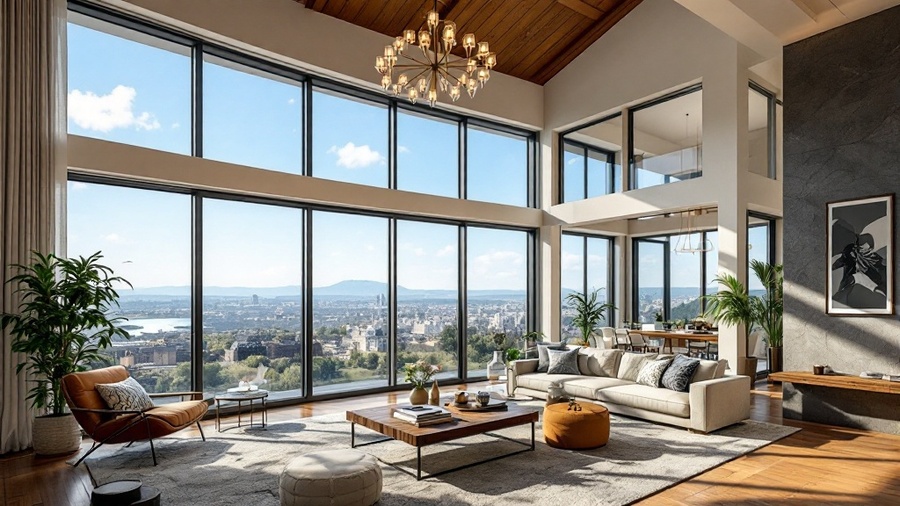
Dubai Summer Heat: How Vinyl Performs Near Floor-to-Ceiling Windows
Frequently Asked Questions
Does vinyl get too hot to walk on in Dubai summer?
Dark vinyl can become uncomfortably hot; light vinyl stays cooler; use socks or rugs.
Can I install vinyl on a sun-drenched balcony?
No, direct outdoor installation voids warranties; use outdoor-rated porcelain instead.
How long before UV damage shows on cheap vinyl?
6-12 months; premium UV-stabilized lasts 5+ years with minimal fading.
Does AC placement affect vinyl near windows?
Yes, AC vents blowing directly cause thermal shock and joint separation.
What’s the best vinyl color for sunny rooms?
Light beige, natural oak, or whitewashed; avoid walnut and charcoal.
Can I use UV-blocking curtains to protect vinyl?
Yes, but allow some airflow to prevent heat buildup between curtain and floor.
How to test if my vinyl has UV protection?
Look for “UV stabilized” on packaging or request a technical datasheet.
Does vinyl expand more near windows than interior walls? 2-3x more; leave wider expansion gaps near floor-to-ceiling glass.
Which vinyl brand offers UAE sun testing data?
Moduleo and COREtec publish accelerated UV aging tests for Gulf climates.