
Living in a high-rise apartment in Jumeirah Lake Towers (JLT) offers convenience and modern comfort, but noise from upstairs neighbors can quickly disrupt your peace at home. Footsteps, moving furniture, and everyday activities often travel through floors and ceilings, creating unwanted disturbances that affect relaxation, sleep, and productivity.
Fortunately, soundproofing vinyl flooring has become an effective solution for reducing impact noise while maintaining the stylish appearance and durability that vinyl floors provide. By choosing the right underlayment, installation methods, and acoustic materials, JLT residents can significantly improve indoor comfort and create a quieter living environment.
This guide explores practical strategies for soundproofing vinyl floors in JLT apartments, helping homeowners and tenants minimize noise issues and enjoy a more peaceful and comfortable living space.
Impact Noise vs. Airborne Noise: Which Vinyl Can Solve
Noise in residential buildings is generally divided into impact noise and airborne noise. Impact noise comes from physical contact with the floor, such as footsteps, dropped objects, or moving furniture. Airborne noise includes voices, music, and TV sound traveling through the air.
Vinyl flooring mainly helps reduce impact noise, especially when paired with acoustic underlayment, because it absorbs vibration before it transfers into the structure.
However, vinyl alone has limited effect on airborne noise, which is better controlled through walls, ceilings, and insulation systems. In Dubai apartments like those in JLT, full acoustic performance requires a combined approach rather than flooring alone.
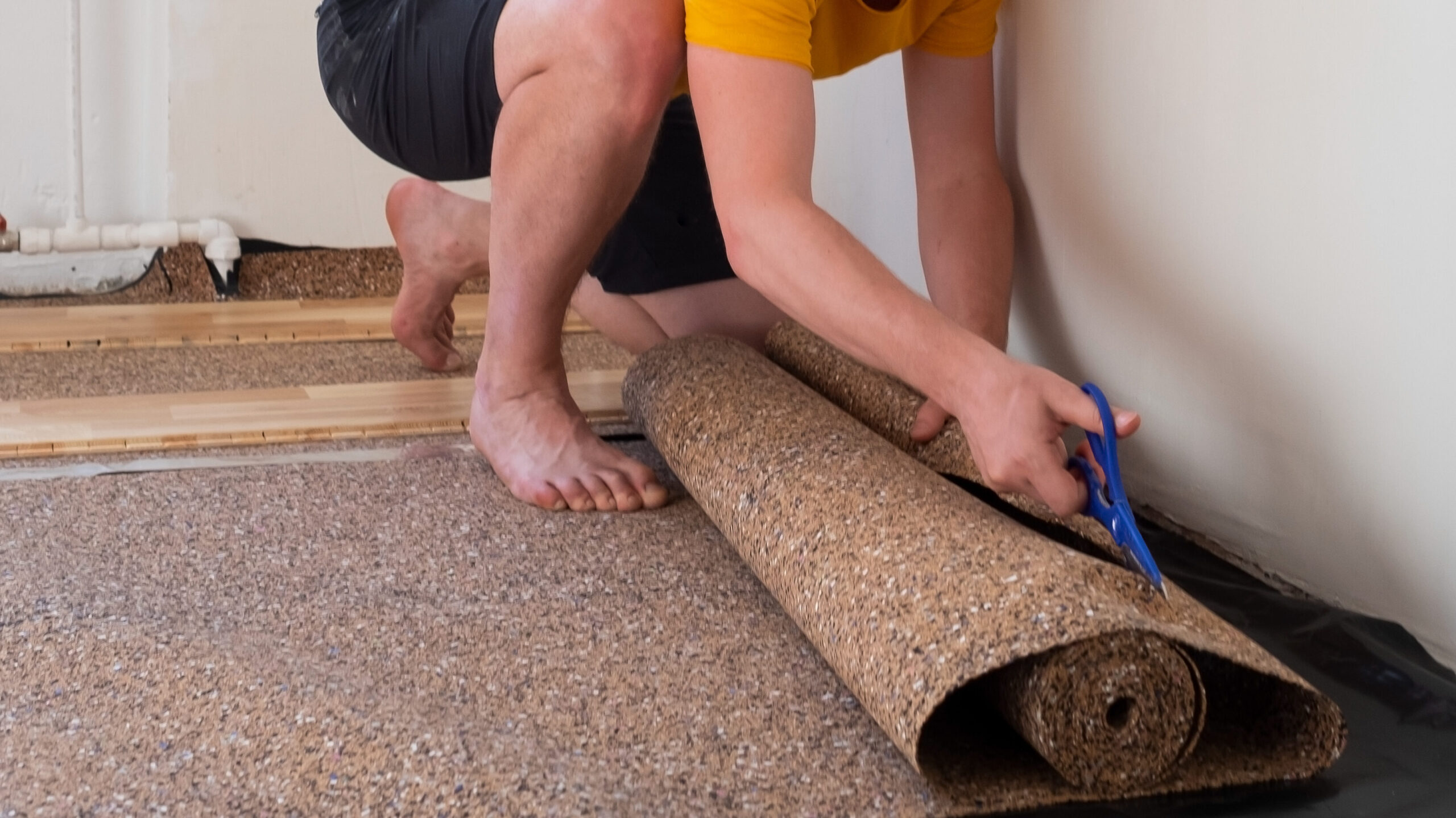
Soundproofing Vinyl Floors in JLT Apartments: Dealing With Upstairs Neighbors
Mass-Loaded Vinyl Underlayment: Thickness Performance Guide
Mass-loaded vinyl (MLV) is a dense acoustic material used to block and reduce sound transmission. Its performance depends on mass rather than thickness alone, but thicker sheets generally provide better sound insulation.
MLV is often used beneath flooring or within wall assemblies to increase STC ratings. In flooring systems, it helps reduce both impact and airborne noise when properly integrated with underlayments.
However, it must be installed correctly to avoid gaps or bridging that reduce effectiveness. In Dubai projects, MLV is typically used in premium acoustic upgrades where maximum sound isolation is required.
Decoupling Membranes: Why Rubber Crumb Works Better Than Foam
Decoupling membranes help reduce vibration transfer between flooring and the structural slab. Rubber crumb membranes are generally more effective than foam because they offer higher density, better elasticity, and improved long-term resilience under load.
Foam materials may compress over time, reducing acoustic performance. Rubber crumb maintains consistent vibration isolation even under heavy furniture or repeated foot traffic.
In high-rise buildings, such as those in Dubai Marina or JLT, rubber-based systems are preferred for long-term acoustic stability. They also improve impact sound reduction without compromising flooring durability or structural integrity.
Ceiling Treatment Alternatives When Floor Solutions Are Limited
When flooring modifications are restricted, ceiling treatments become an important acoustic solution. Acoustic ceiling panels, suspended gypsum systems, and sound-absorbing tiles can significantly reduce both airborne and reflected noise.
These treatments work by absorbing sound energy before it bounces back into the room or transfers to adjacent spaces. In apartments where flooring changes are not permitted by building management, such as many Dubai towers, ceiling upgrades provide a practical alternative.
Combining acoustic insulation above the ceiling with perimeter sealing improves overall noise reduction without altering existing floor structures.
Legal Recourse in JLT: Noise Complaint Process and Flooring Rules
In residential communities like Jumeirah Lake Towers (JLT), noise complaints are typically managed through building management and homeowners associations. Residents can file formal complaints if noise exceeds acceptable community standards, especially related to flooring modifications that increase impact sound.
Many buildings have rules requiring acoustic underlayments when replacing carpet with hard flooring such as vinyl. If violations occur, management may request remediation or additional insulation work. In extreme cases, repeated non-compliance can lead to penalties. Understanding building regulations before installing flooring is essential to avoid disputes and ensure acoustic compliance.
Combining Vinyl With Acoustic Gypsum Ceilings for Higher STC
Combining vinyl flooring with acoustic gypsum ceilings creates a more complete sound insulation system by addressing both impact and airborne noise paths. While vinyl with underlayment reduces vibration from below, acoustic gypsum ceilings add mass and absorption above, reducing sound transmission between floors.
This dual approach significantly improves STC ratings in multi-story buildings. In Dubai apartments, especially in high-density towers, this combination is commonly used in premium renovations. Proper sealing of joints and integration with wall insulation further enhances performance, creating a quieter indoor environment overall.
Installation Checklist for Maximum dB Reduction
Achieving maximum noise reduction requires a structured installation checklist. Key steps include subfloor leveling, moisture testing, and selection of high-density acoustic underlayment. Perimeter sealing with acoustic sealant prevents flanking noise leakage. Proper staggered installation of vinyl planks reduces structural vibration paths.
Expansion gaps must be maintained without compromising acoustic continuity. In addition, transitions between rooms should be tightly sealed to avoid sound leakage. In Dubai high-rise projects, following manufacturer acoustic guidelines is essential for achieving expected dB reduction and ensuring compliance with building standards.
Post-Installation Noise Testing Services in Dubai
Post-installation noise testing is used to verify acoustic performance after flooring and insulation upgrades. Specialized consultants measure impact and airborne sound levels using calibrated equipment such as tapping machines and sound level meters.
Results are compared against baseline readings or building requirements. In Dubai, these services are commonly used in luxury apartments and commercial spaces to confirm compliance with STC or impact insulation class (IIC) targets.
Testing helps identify weak points such as gaps, insufficient underlayment, or flanking paths. It provides objective validation that acoustic improvements have been successfully achieved.
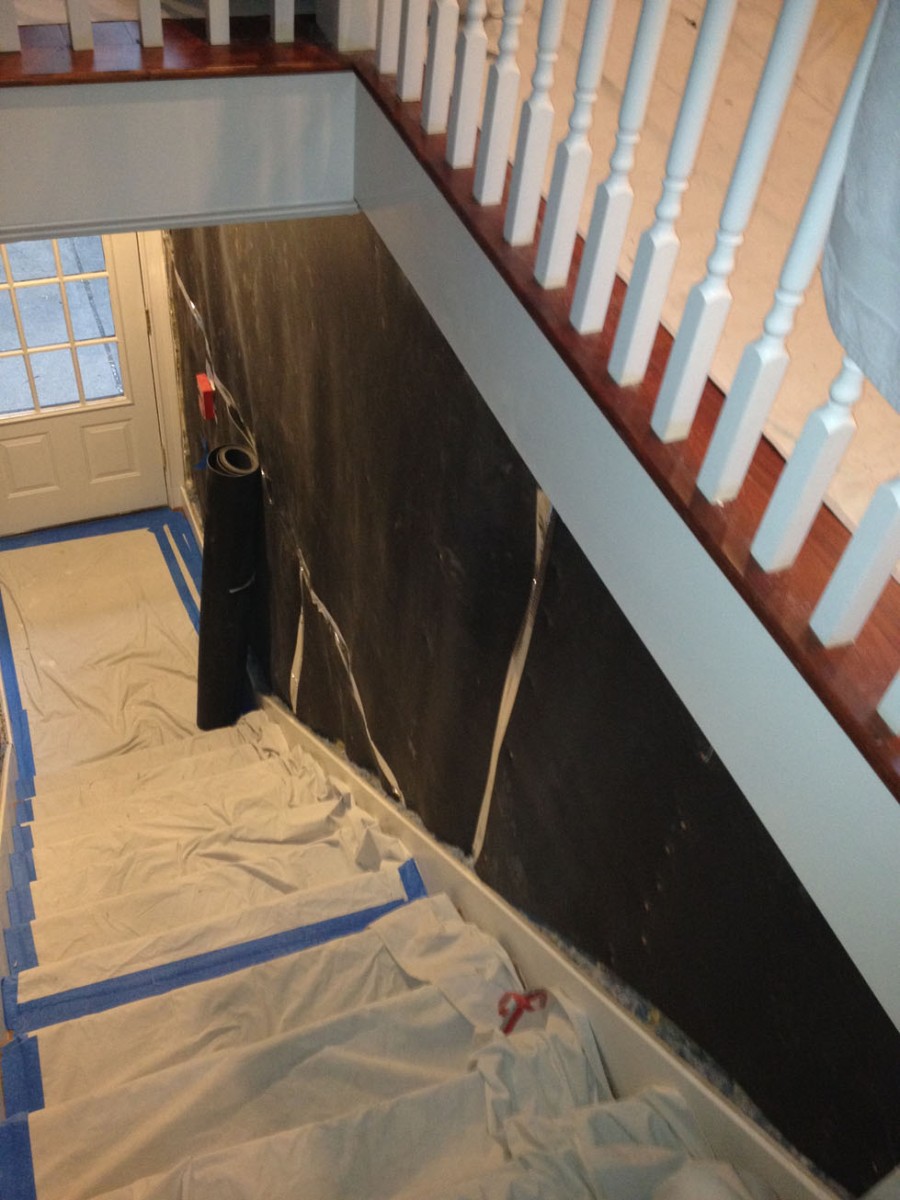
Soundproofing Vinyl Floors in JLT Apartments: Dealing With Upstairs Neighbors
Frequently Asked Questions
How much noise reduction can vinyl realistically provide?
Significant impact noise reduction; you will still hear loud bass and shouting.
Is acoustic vinyl worth it if my upstairs neighbor has tile?
Yes, because tile transmits impact noise; vinyl plus underlayment reduces most footfall noise.
Can I install acoustic vinyl under existing vinyl?
No, you would need to remove the top layer; but you can add a floated acoustic overlay.
What’s the legal minimum STC for floors in JLT?
STC 55 for new builds; older buildings have no requirement, but complaints can force upgrades.
Does double underlayment work better?
No, it creates instability and joint failure; one thick layer is superior.
How to test if my vinyl is reducing noise?
Use a decibel meter app: measure with phone on floor vs. ear level downstairs.
Which underlayment brand do Dubai pros recommend?
Regupol, AcoustiCORK, and similar acoustic membranes.
Can I hear voices through vinyl floors?
Yes, vinyl blocks minimal airborne noise; seal all perimeter gaps with acoustic caulk.