
Glass doors have become a defining element of modern architecture, blending transparency with structural functionality. In contemporary homes and commercial environments, they are valued for their ability to enhance natural light, improve visual openness, and create a seamless connection between spaces. Their clean lines and minimalist appeal make them a preferred choice in both residential and professional settings.
In regions with warm climates and contemporary design trends, glass doors are often integrated into interiors to balance aesthetics with practicality. This guide explores their types, benefits, safety considerations, environmental influences, and maintenance practices to help you understand how they function within modern architectural spaces.
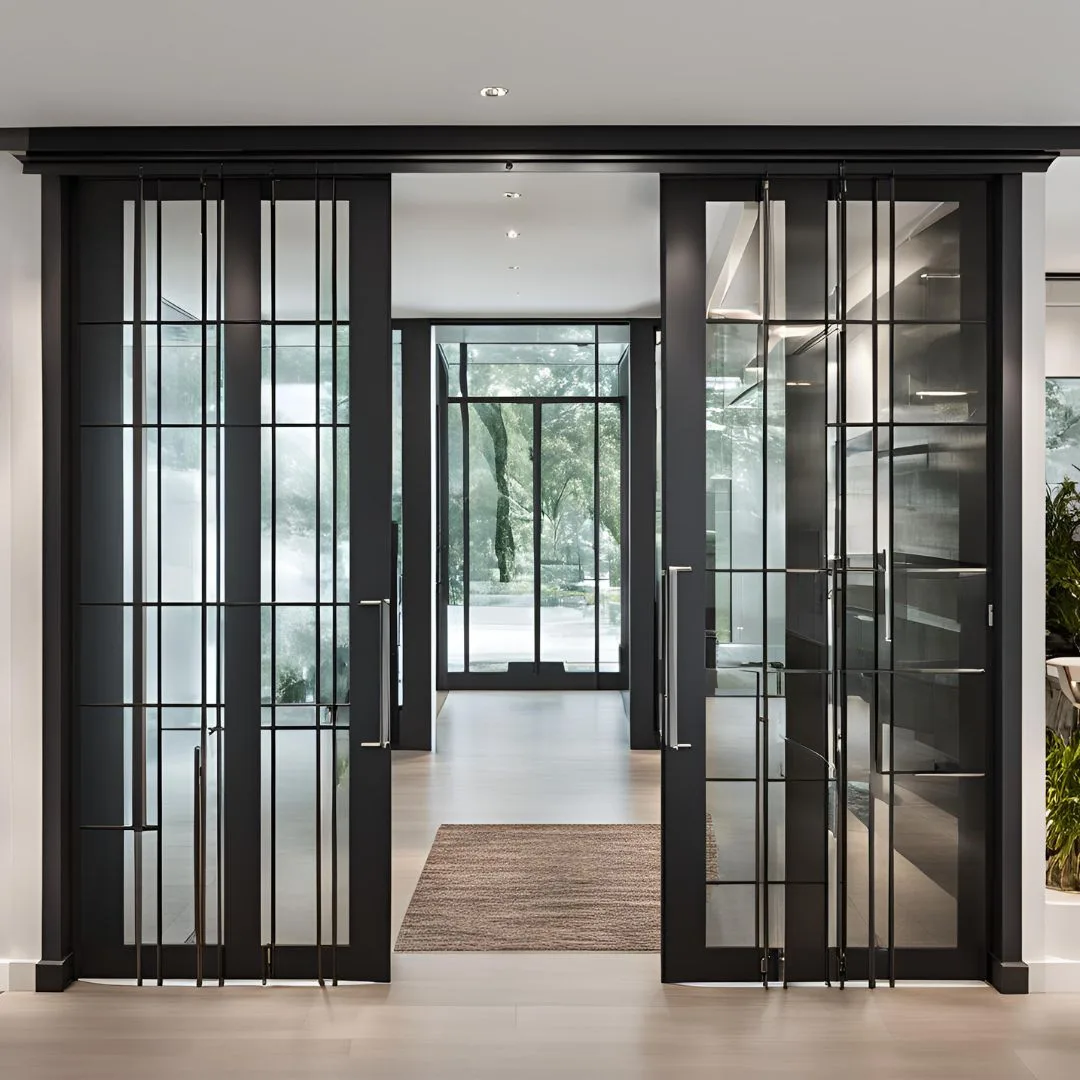
What Defines Glass Doors in Contemporary Interior Architecture
Glass doors are characterized primarily by the extensive use of glass panels within their structure. Unlike traditional solid doors, they emphasize transparency and light transmission while still providing separation between areas.
Modern glass doors typically incorporate:
- Tempered or laminated safety glass
- Slim aluminum, steel, or wooden frames
- Minimalistic hardware for a clean look
- Advanced sealing systems for insulation
The goal of contemporary design is to reduce visual barriers without compromising structural integrity. Glass doors achieve this by allowing sightlines to extend beyond physical walls, making spaces appear larger and more interconnected.
In many architectural layouts, particularly in urban environments, glass doors dubai are used to support modern interior aesthetics that favor openness and natural illumination.
Different Types of Glass Doors and Their Functional Applications
Glass doors come in several configurations, each suited to specific spatial requirements and functional goals.
Hinged Glass Doors
- Open inward or outward on hinges
- Ideal for offices and interior rooms
- Provide a classic door operation mechanism
Sliding Glass Doors
- Operate along a track system
- Suitable for balconies and patios
- Save floor space due to lateral movement
Bi-Fold Glass Doors
- Fold into panels
- Create wide openings
- Ideal for connecting indoor and outdoor areas
Frameless Glass Doors
- Minimal hardware and structural framing
- Common in modern commercial interiors
- Provide a sleek, uninterrupted visual effect
When comparing design styles, some homeowners evaluate glass systems alongside alternatives such as a french door to determine whether symmetrical double-leaf designs or fully transparent panels better suit their layout preferences.
Each type serves a distinct purpose depending on traffic flow, room size, and ventilation needs.
Benefits of Using Glass Doors for Light Flow and Visual Openness
One of the most significant advantages of glass doors is their ability to maximize natural light. Sunlight can penetrate deeper into interior spaces, reducing reliance on artificial lighting during the day.
Key Benefits Include:
- Enhanced Brightness: Improves visibility and ambiance.
- Perceived Spaciousness: Makes compact rooms feel larger.
- Improved Energy Efficiency: Proper glazing can reduce heat transfer.
- Modern Aesthetic Appeal: Supports minimalist design principles.
- Visual Connectivity: Maintains sightlines across rooms.
In office environments, glass doors contribute to collaborative atmospheres while maintaining acoustic separation. In homes, they can visually link living rooms, kitchens, and outdoor patios without creating dark or enclosed areas.
By reducing heavy visual barriers, glass doors foster an environment that feels open yet organized.
Comparing Sliding, Hinged, and French Glass Door Systems
Understanding the differences between major glass door systems helps in making informed architectural decisions.
Sliding Systems
- Operate horizontally along tracks
- Ideal for wide wall openings
- Space-saving solution
- Limited opening width compared to hinged pairs
Hinged Systems
- Open fully in one direction
- Offer traditional functionality
- Require swing clearance
French-Style Glass Systems
- Dual panels that open from the center
- Create a balanced architectural statement
- Provide a wider opening when both panels are open
When evaluating options such as sliding door uae, considerations typically include space availability, ventilation requirements, and user convenience. Sliding doors excel in compact layouts, while hinged or French-style doors may provide broader openings and easier cleaning access.
Each system carries unique structural and aesthetic implications depending on the intended installation environment.
Safety Features and Glass Technologies Used in Modern Installations
Modern glass doors are designed with safety as a primary concern. Advanced glass technologies ensure durability and user protection.
Tempered Glass
- Heat-treated for increased strength
- Breaks into small, less harmful fragments
Laminated Glass
- Consists of multiple layers bonded together
- Remains intact when shattered
- Enhances security and sound insulation
Double Glazing
- Two glass panes separated by air or gas
- Improves thermal performance
- Reduces external noise
Low-Emissivity (Low-E) Coatings
- Reflect infrared heat
- Improve energy efficiency
- Maintain indoor comfort
These features make glass doors suitable for both residential and commercial applications. When installed correctly, they meet modern safety standards and withstand daily use effectively.
How Climate and Environment Influence Glass Door Selection
Climate plays a critical role in determining the type of glass and framing system chosen. In warmer regions, controlling heat gain becomes especially important.
Key Environmental Considerations:
- Solar Heat Exposure: Low-E coatings reduce heat transfer.
- Humidity Levels: Aluminum frames resist corrosion better than untreated wood.
- Wind Load Requirements: Thicker glass may be necessary for high-rise buildings.
- Dust and Sand Exposure: Proper sealing prevents debris infiltration.
Selecting climate-appropriate materials ensures long-term durability and performance. Thermal insulation and weather-resistant sealing systems are particularly important in areas with intense sunlight and fluctuating temperatures.
Environmental awareness also supports energy efficiency goals by minimizing unnecessary cooling or heating demands.
Placement Ideas for Residential and Commercial Interiors
Strategic placement enhances both the functionality and visual appeal of glass doors.
Residential Applications
- Between living and dining areas
- As balcony or terrace access
- For separating home offices
- As shower enclosures in bathrooms
Commercial Applications
- Conference room partitions
- Retail storefront entrances
- Office cabin enclosures
- Lobby entrances
Glass doors can define zones without completely isolating them. For example, installing a glass partition between a workspace and meeting room maintains privacy while allowing supervision and communication.
When planning placement:
- Evaluate natural light sources
- Consider traffic flow
- Ensure adequate structural support
- Align with overall interior design theme
Thoughtful positioning maximizes both aesthetic and functional advantages.
Maintenance Practices to Preserve Clarity and Structural Integrity
Maintaining glass doors is relatively simple but essential for preserving transparency and performance.
Cleaning Guidelines
- Use non-abrasive glass cleaners
- Avoid harsh chemicals that damage coatings
- Wipe frames to prevent dust accumulation
Hardware Maintenance
- Lubricate hinges or sliding tracks periodically
- Check handles and locking systems for alignment
- Tighten loose screws to maintain stability
Seal Inspection
- Examine weather stripping annually
- Replace worn seals to prevent air leakage
- Ensure no moisture buildup between panes
Regular maintenance prevents scratches, operational issues, and insulation loss. With proper care, glass doors can retain their clarity and structural integrity for many years.
Conclusion
Glass doors represent a harmonious blend of design and functionality in contemporary architecture. By enhancing natural light, improving spatial perception, and offering flexible configurations, they adapt to both residential and commercial environments. From sliding systems to hinged installations, each type supports unique spatial needs.
Careful selection based on climate, safety requirements, and interior layout ensures long-term durability and performance. With proper installation and routine maintenance, glass doors continue to shape modern interiors with transparency, elegance, and structural reliability.
FAQs
1. What are the main advantages of installing glass doors?
Glass doors enhance natural lighting, create a sense of openness, and contribute to modern aesthetic appeal while maintaining functional separation between spaces.
2. Are glass doors energy efficient in warm climates?
Yes, when equipped with double glazing and Low-E coatings, glass doors can reduce heat transfer and improve overall energy efficiency.
3. What safety glass options are commonly used in doors?
Tempered and laminated glass are commonly used due to their strength and enhanced safety characteristics.
4. How do sliding glass doors differ from hinged designs?
Sliding doors move horizontally along tracks and save space, while hinged designs swing open and require clearance for operation.
5. Where are glass doors most commonly installed inside homes?
They are commonly used for balcony access, room dividers, shower enclosures, and home office partitions to maintain brightness and openness.