
Vinyl flooring has become one of the most popular choices for homes and businesses in Dubai thanks to its durability, stylish appearance, and easy maintenance. However, despite its resilience, vinyl floors are not completely immune to stubborn stains. Sand, dust, food spills, grease, coffee, and even marks from furniture can leave unsightly stains that diminish the beauty of your floors.
Dubai’s unique climate, with its high temperatures and frequent dust exposure, can also make stains more challenging to remove if they are not treated promptly. The good news is that most stains can be eliminated safely without damaging the protective layer of your vinyl flooring.
By understanding the right cleaning techniques, using suitable products, and avoiding harsh chemicals, you can restore your floors to their original shine. This complete guide will walk you through effective methods for removing stubborn stains from Dubai vinyl floors and share practical tips to keep them looking clean, fresh, and beautiful for years to come.
Henna Stain Removal: Wedding Season Challenges
Henna stains are among the most difficult organic stains to remove from vinyl because the dye contains strong plant pigments that can bond with surface micro-textures. Fresh stains are easier to manage if cleaned immediately with a mild pH-neutral cleaner and soft microfiber cloth.
Once dried, henna can leave a faint tint, especially on textured vinyl. Avoid abrasive scrubbing, as it may damage the wear layer. In Dubai homes during wedding season, fast response cleaning is key—delays significantly increase the chance of permanent discoloration.
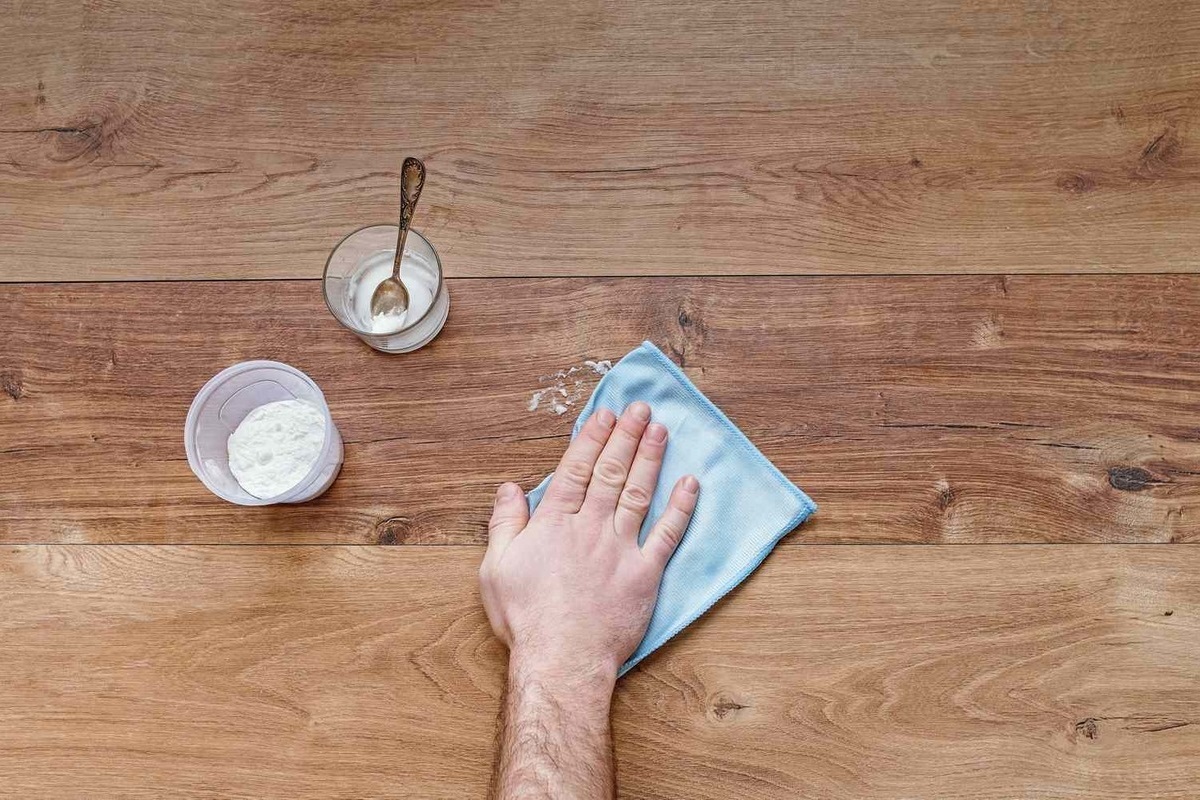
Removing Stubborn Stains From Dubai Vinyl Floors: Complete Guide
Arabic Coffee (Qahwa) Spills: Tannin Treatment
Arabic coffee contains tannins that can leave brownish stains if not cleaned quickly. Vinyl’s non-porous surface helps prevent deep absorption, but pigments can still settle into grooves. Immediate wiping with a damp cloth reduces staining risk.
For older stains, a mild detergent or pH-neutral cleaner is usually sufficient. Avoid strong bleach, which can dull the finish. In Dubai households where Qahwa is frequently served, especially in gatherings, quick cleanup habits are essential to maintain floor appearance and prevent repeated staining patterns.
Saffron and Turmeric: Oil-Based Stain Protocols
Saffron and turmeric stains are highly persistent due to their strong natural pigments and oil-based compounds. On vinyl flooring, these stains often sit on the surface but can tint textured areas if not treated quickly.
The recommended approach is gentle cleaning with warm water and a mild degreasing pH-neutral solution. Avoid harsh solvents initially, as they may spread the pigment. Repeated light cleaning is safer than aggressive scrubbing. In Dubai kitchens, turmeric stains are common due to cooking habits, making quick intervention the most effective prevention method.
Candle Wax From Power Outages: Freeze and Lift Method
Candle wax spills, often occurring during power outages, should be allowed to harden before removal. The freeze-and-lift method is effective: ice is applied to harden the wax, making it brittle enough to gently lift with a plastic scraper. This prevents damage to the vinyl surface.
Any remaining residue can be removed with warm, soapy water. Avoid metal tools, as they can scratch the wear layer. In Dubai households, where emergency lighting use is common during outages, this method is a safe and practical solution.
Construction Dust Embedded in Grooves: Deep Extraction
Construction dust is extremely fine and can settle into vinyl grooves and bevels, making standard cleaning insufficient. Deep extraction requires vacuuming with a soft-bristle attachment followed by damp mopping using a microfiber pad.
In severe cases, multiple cleaning passes are needed to fully remove embedded particles. Dust left in grooves can create a hazy appearance and accelerate surface wear due to abrasion. In Dubai renovation projects, post-construction cleaning is essential before occupancy to ensure flooring looks uniform and properly finished.
Paint Drops From DIY Projects: Water-Based vs. Oil-Based
Water-based paint is generally easier to remove from vinyl flooring, especially if cleaned before it fully dries. A damp cloth and mild detergent are usually sufficient. Oil-based paint is more challenging and may require careful use of gentle solvents that do not damage the wear layer.
Scraping should be done cautiously with plastic tools only. In Dubai DIY renovation projects, paint spills are common, so immediate cleaning significantly reduces permanent staining risk and prevents surface dulling or texture damage.
Tar From Beach Trips: Solvent Safety on Vinyl
Tar tracked in from beach trips is sticky and oil-based, requiring careful removal. The safest method involves using a small amount of isopropyl alcohol or manufacturer-approved vinyl cleaner applied gently to soften the tar before wiping.
Strong solvents like acetone should be avoided, as they can damage the wear layer. Soft cloths and gradual removal are key to preventing surface dulling. In Dubai coastal homes, this type of staining is seasonal, and prompt treatment ensures minimal long-term impact on flooring appearance.
Ink Stains From Leaked Pens: Isopropyl Alcohol Technique
Ink stains from leaking pens can often be removed from vinyl using isopropyl alcohol applied sparingly with a microfiber cloth. The alcohol helps break down pigment without penetrating the surface deeply.
Light blotting is preferred over rubbing to avoid spreading the stain. Once removed, the area should be cleaned with a mild pH-neutral solution to eliminate residue. In office or home environments in Dubai, where pens are frequently used, quick response is essential to prevent permanent tinting of textured vinyl surfaces.
Professional Stain Removal Services in Dubai
Professional stain removal services in Dubai use specialized cleaning equipment and chemical-safe solutions designed for resilient flooring like vinyl. These services are particularly useful for stubborn stains such as dyes, oils, or construction residues that cannot be removed with household methods.
Technicians typically assess the stain type, flooring material, and wear layer condition before applying targeted treatments.
Steam cleaning, controlled solvent application, and deep extraction tools may be used depending on severity. Professional cleaning is often recommended for luxury apartments and post-renovation properties to restore uniform appearance without damaging the surface.
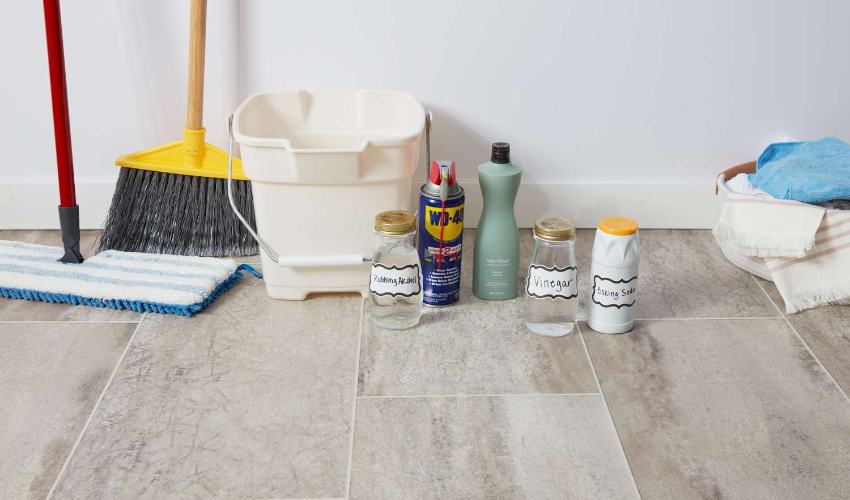
Removing Stubborn Stains From Dubai Vinyl Floors: Complete Guide
Frequently Asked Questions
How to remove henna from vinyl without bleaching?
Dab with mineral oil, let sit for 10 minutes, then wipe with isopropyl alcohol.
Does baking soda scratch vinyl?
No, if made into a paste with water; never rub dry baking soda.
Can bleach be used on vinyl floors?
Never; it permanently removes color and degrades the wear layer.
How to get dried paint off vinyl?
Water-based paint: warm soapy water; oil-based: use mineral spirits sparingly.
What removes construction adhesive residue?
WD-40 applied to a cloth, not directly on floor, then wipe clean.
Does vinegar remove stains from vinyl?
Vinegar is acidic and dulls the finish; use pH-neutral cleaner instead.
How to lift red wine from vinyl bevels?
Hydrogen peroxide (3%) on a cotton swab, apply directly to stain for 5 minutes.
Can I use a magic eraser on vinyl?
Yes but sparingly; it’s mildly abrasive and will matte the finish over time.