
Modern interior design continues to evolve toward brighter, more open living spaces. Bathrooms, once considered purely functional, are now treated as design focal points that reflect style, comfort, and innovation. One feature that has grown in popularity is the use of glass doors in bathroom spaces.
Understanding how a bathroom glass door works, its advantages, and how it compares to other materials can help homeowners and designers make informed decisions. This guide explores everything from materials and safety features to maintenance and long-term durability.
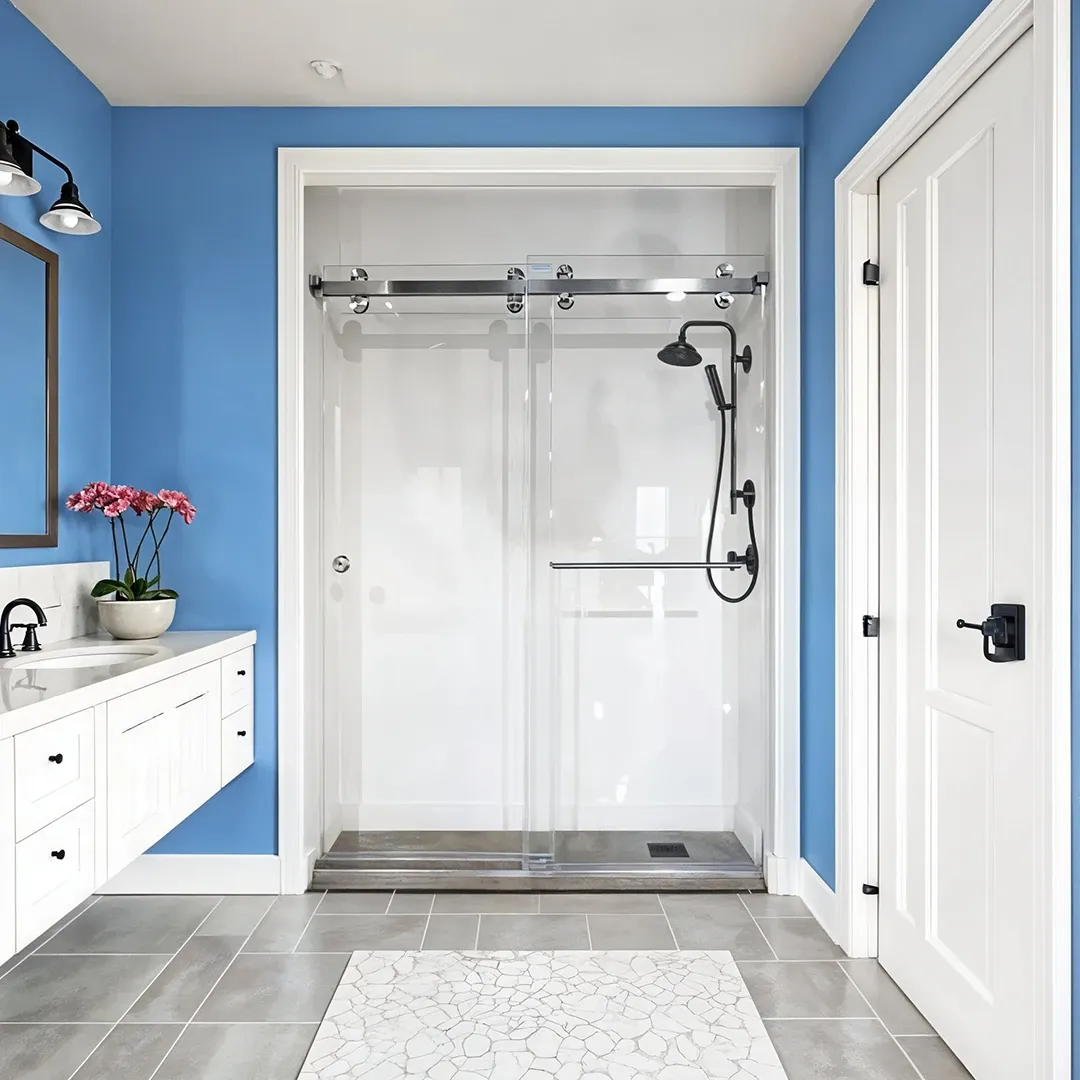
What Is a Bathroom Glass Door and How Does It Work in Modern Homes
A bathroom glass door is a door system constructed primarily from tempered or laminated glass, designed specifically for use in humid and moisture-rich environments. These doors may be fully transparent, frosted, textured, or tinted depending on privacy needs and aesthetic preferences.
Unlike traditional solid-core doors, glass bathroom doors operate in several configurations:
- Hinged single-panel doors
- Sliding glass systems
- Frameless pivot doors
- Semi-frameless aluminum-supported designs
A bathroom glass door allows natural light to pass between spaces, reducing the need for artificial lighting during the day. In smaller bathrooms, this creates the illusion of more space, making compact areas feel less confined.
Modern construction techniques ensure that these doors are not fragile. They are manufactured using safety glass that is several times stronger than regular glass and designed to shatter safely if broken.
Key Benefits of Using Glass Doors in Contemporary Bathroom Design
Glass doors offer both aesthetic and functional advantages. Their popularity is largely driven by their ability to combine minimalism with practicality.
1. Enhanced Natural Light Flow
Glass allows light to move freely between rooms. This is especially helpful in bathrooms without windows.
2. Visual Space Expansion
Transparent or lightly frosted glass creates depth perception, making smaller bathrooms appear larger.
3. Modern Aesthetic Appeal
Glass aligns well with contemporary, minimalist, and even industrial design styles.
4. Easy Surface Cleaning
Smooth glass surfaces do not trap dust or grime the way wood grain or panel grooves might.
5. Moisture Resistance
Unlike traditional wooden doors, glass does not warp, swell, or rot when exposed to humidity.
6. Versatile Finishing Options
You can choose from:
- Frosted glass for privacy
- Etched designs for decorative flair
- Tinted panels for subtle opacity
- Clear glass for maximum light flow
These features make glass doors both practical and visually adaptable.
Comparing Glass, Aluminium, and Solid Wood for Bathroom Use
Choosing the right bathroom door material requires evaluating environmental exposure, maintenance expectations, and design goals.
Glass Doors
- Resistant to moisture damage
- Visually light and modern
- Requires regular cleaning to prevent water marks
- Available in frameless or framed styles
Aluminium Doors
An aluminium door for bathroom combines metal framing with either glass or solid panels. Key benefits include:
- Strong resistance to corrosion
- Lightweight but durable structure
- Low maintenance requirements
- Ideal for high-humidity climates
Wooden Doors
A solid wood door offers warmth and traditional appeal. However, in bathrooms, wood may require additional sealing and ventilation support.
Wood characteristics include:
- Natural insulation properties
- Classic and timeless appearance
- Susceptibility to swelling without proper treatment
- Requires routine maintenance in humid spaces
When comparing these materials, glass stands out for moisture resistance and modern design, aluminum for structural resilience, and wood for traditional aesthetic value.
Moisture Resistance and Durability in Humid Environments
Bathrooms are consistently exposed to steam, splashes, and fluctuating temperatures. This makes moisture resistance a critical factor in door selection.
Glass naturally resists water absorption. It does not expand, contract, or deteriorate due to humidity. However, hardware components such as hinges and handles must also be rust-resistant to maintain durability.
To maximize longevity:
- Choose stainless steel or coated hardware
- Ensure proper bathroom ventilation
- Wipe down excess moisture after showers
- Inspect seals periodically
In contrast, wood requires protective coatings and may still react to prolonged moisture exposure. Aluminum performs well structurally but may show cosmetic wear over time if not maintained.
Durability ultimately depends not just on material, but also installation quality and environmental conditions.
Privacy Options Including Frosted and Textured Finishes
Privacy is often the main concern when considering glass doors for bathrooms. Fortunately, modern glass technology provides multiple solutions.
Frosted Glass
Creates a blurred visual effect while still allowing light transmission.
Textured or Patterned Glass
Features decorative textures that distort visibility without eliminating brightness.
Tinted Glass
Adds color shading for partial privacy and a unique design accent.
Smart Glass Technology
Advanced systems allow glass to switch from transparent to opaque electronically, although these are less common in residential bathrooms.
The level of privacy chosen often depends on bathroom placement. For example:
- Ensuite bathrooms may allow more transparency
- Shared family bathrooms may require full opacity
- Guest bathrooms benefit from decorative frosted designs
Balancing light flow with privacy needs ensures both comfort and practicality.
Maintenance Requirements and Cleaning Best Practices
Glass doors are relatively simple to maintain, but consistent care helps preserve clarity and appearance.
Daily Maintenance
- Wipe surfaces with a microfiber cloth
- Remove water droplets after showers
Weekly Cleaning
- Use non-abrasive glass cleaners
- Avoid harsh chemicals that may damage seals
- Clean handles and hardware to prevent buildup
Preventing Hard Water Stains
Hard water can leave mineral deposits over time. To reduce buildup:
- Install a water softener if possible
- Use a squeegee after each shower
- Apply protective glass coatings
Unlike wooden doors that may require refinishing, glass maintenance is primarily surface-level cleaning. However, neglecting routine cleaning may result in visible streaks or mineral spots.
Safety Features Such as Tempered and Laminated Glass
Safety is a top priority in bathroom design. Glass used in doors is not ordinary window glass. It undergoes specialized treatment processes.
Tempered Glass
- Heat-treated for increased strength
- Breaks into small, blunt fragments rather than sharp shards
- Four to five times stronger than standard glass
Laminated Glass
- Contains an interlayer that holds fragments together if broken
- Reduces risk of injury
- Provides additional sound insulation
Building regulations in many regions require safety-rated glass for interior doors, particularly in wet areas.
Additional safety considerations include:
- Anti-slip floor surfaces near door areas
- Proper edge polishing
- Secure hinge installation
- Soft-close or controlled swing mechanisms
When properly manufactured and installed, glass doors are extremely safe for residential use.
Design Styles That Complement Different Interior Themes
Glass bathroom doors adapt to a variety of interior design concepts.
Minimalist Design
Frameless glass doors with clean lines emphasize simplicity and openness.
Industrial Style
Black metal frames combined with clear glass create a bold, urban look.
Scandinavian Interiors
Light wood accents paired with frosted glass maintain brightness and softness.
Contemporary Luxury
Etched or tinted glass adds elegance without overwhelming the space.
Transitional Spaces
Semi-framed glass doors blend traditional and modern elements effectively.
Design compatibility makes glass doors highly versatile. They can serve as a subtle background feature or a central design statement depending on styling choices.
Conclusion
Bathroom glass doors represent a practical and visually appealing solution for modern interiors. They enhance natural light, resist moisture damage, and provide flexible privacy options. When compared with aluminum and solid wood alternatives, glass stands out for its balance of durability and contemporary design.
By understanding material differences, maintenance needs, and safety standards, homeowners can make informed decisions that align with both function and style.
FAQs
1. Is a glass bathroom door suitable for small bathrooms?
Yes, glass doors can make small bathrooms feel larger by allowing light to flow freely and reducing visual barriers.
2. How do you maintain privacy with transparent doors?
Privacy can be achieved through frosted, textured, or tinted glass options that obscure visibility while preserving brightness.
3. Are glass doors safe for family homes?
Tempered and laminated safety glass is designed to minimize injury risk and is widely used in residential settings.
4. What materials resist bathroom humidity best?
Glass and aluminum perform exceptionally well in humid conditions, while wood requires additional sealing and maintenance.
5. How long do bathroom doors typically last?
With proper installation and maintenance, bathroom doors made from durable materials can last many years without structural issues.