
Wood has been used in construction for thousands of years, and doors are among the most enduring examples of its versatility. From traditional homes to contemporary architectural designs, wooden doors remain a preferred option for homeowners and designers alike. Their combination of strength, insulation, and aesthetic warmth makes them a timeless feature in both residential and commercial buildings.
Understanding what defines a wooden door and why it continues to be relevant today requires a closer look at materials, construction techniques, environmental performance, and long-term durability. This guide explores every important aspect to help you make informed decisions when considering wooden doors for your space.
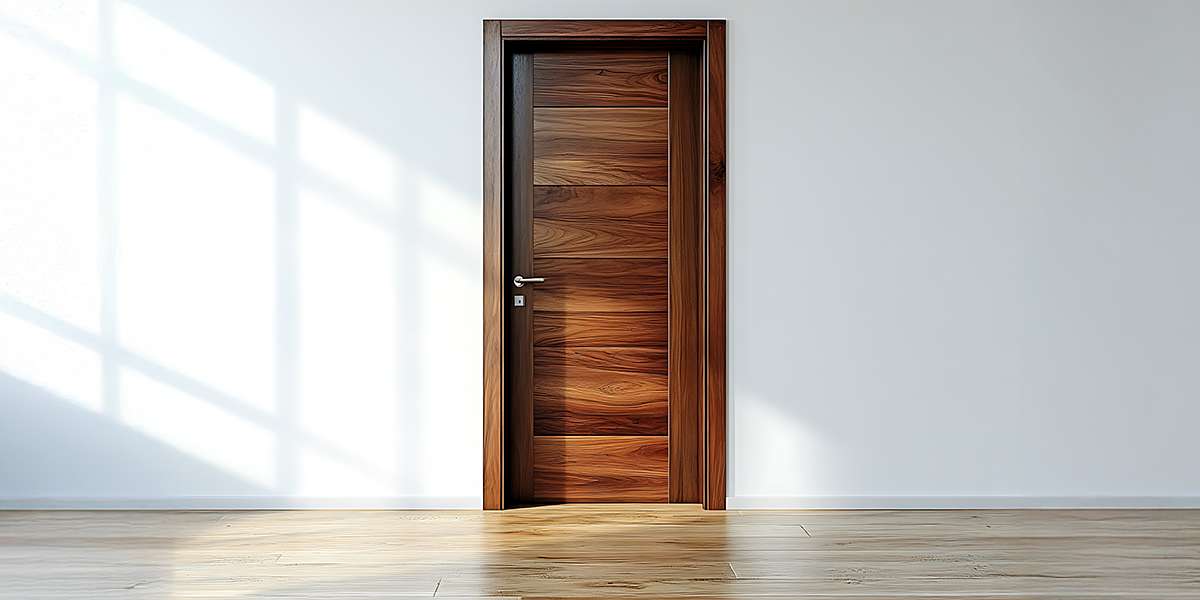
What Is a Wooden Door and How Is It Constructed From Solid or Engineered Timber Materials
A wooden door is primarily constructed from natural timber, either in solid form or as engineered wood. While both types share similar visual characteristics, their internal structures differ significantly.
Solid wood doors are made from natural timber panels joined together. They are known for:
- High structural strength
- Natural grain variations
- Long lifespan when maintained properly
Engineered wood doors, on the other hand, typically use a solid core (such as hardwood strips or composite material) covered with a veneer. This structure improves:
- Dimensional stability
- Resistance to warping
- Cost efficiency without sacrificing appearance
Modern manufacturing methods ensure that a high-quality wooden door balances natural aesthetics with structural reliability. The choice between solid and engineered wood often depends on environmental conditions, usage frequency, and design goals.
Construction also includes essential components such as:
- Rails and stiles forming the frame
- Panels (flat or raised)
- Core material for insulation and strength
- Protective finishes or sealants
Each element contributes to durability, insulation, and visual appeal.
Key Advantages of Wooden Doors for Insulation, Durability, and Long-Term Performance
Wood naturally acts as an insulator. Compared to metal or synthetic materials, it reduces heat transfer more effectively. This makes wooden doors suitable for both hot and cold climates.
Thermal Insulation
Wood has low thermal conductivity. This helps:
- Maintain indoor temperature
- Improve energy efficiency
- Reduce heating and cooling load
Acoustic Performance
Solid wooden doors are excellent at reducing sound transmission. Bedrooms, offices, and study rooms benefit greatly from this feature.
Durability and Strength
When properly sealed and maintained, wooden doors can last for decades. Hardwoods such as oak, mahogany, and teak are especially resistant to wear and impact.
Aesthetic Longevity
Unlike synthetic materials that may fade or look dated, wood develops character over time. Minor scratches can often be sanded and refinished rather than requiring replacement.
These qualities explain why wooden doors remain relevant in both heritage properties and contemporary homes.
Comparing Wooden Doors With Metal and uPVC Alternatives for Homes
Choosing a door material often involves comparing wood with alternatives like metal or uPVC. Each material offers unique benefits and trade-offs.
Wooden Doors
- Natural appearance
- Strong insulation properties
- Customizable finishes
- Repairable surface
Metal Doors
- High security
- Resistant to extreme weather
- Lower maintenance in harsh environments
uPVC Doors
- Lightweight
- Moisture resistant
- Budget-friendly
While metal and uPVC may offer certain practical benefits, wood stands out for its visual warmth and natural texture. In interior spaces, many homeowners prefer wood over synthetic materials because it enhances design cohesion.
For outdoor architectural elements, materials are often selected differently. For example, structures like a glass pergola prioritize light transmission and weather resistance, while wooden doors focus more on insulation and privacy. Each material serves a distinct architectural function.
Understanding Different Wood Types Used in Residential Door Manufacturing
The type of wood significantly impacts performance and appearance. Common wood categories include:
Hardwoods
- Oak
- Mahogany
- Walnut
- Teak
Hardwoods are dense and durable. They resist dents and offer rich grain patterns.
Softwoods
- Pine
- Cedar
- Spruce
Softwoods are lighter and easier to work with. They may require additional sealing for enhanced durability.
Engineered Wood Products
- MDF core with veneer
- Laminated timber core
These offer stability and resistance to warping in fluctuating humidity conditions.
When selecting wood type, consider:
- Climate conditions
- Exposure to moisture
- Desired finish (painted or stained)
- Frequency of use
Each wood species contributes unique color tones and grain characteristics, influencing the overall design aesthetic.
How Climate and Humidity Affect Wooden Door Performance Over Time
Wood is a natural material that responds to environmental changes. Temperature and humidity fluctuations can cause expansion and contraction.
Common Environmental Impacts
- Swelling in high humidity
- Shrinking in dry climates
- Surface cracking if unsealed
- Warping if improperly installed
To minimize environmental impact:
- Ensure proper sealing and finishing
- Use engineered cores for added stability
- Install weather stripping for exterior doors
- Maintain consistent indoor humidity levels
In regions with high humidity, periodic inspection is essential. Protective coatings help maintain structural integrity and reduce moisture absorption.
Proper installation also plays a critical role. A well-aligned frame allows for natural expansion without compromising functionality.
Design Styles and Finishes That Enhance Interior and Exterior Spaces
Wooden doors adapt easily to different architectural styles.
Traditional Designs
- Raised panels
- Carved detailing
- Dark stained finishes
Contemporary Designs
- Flush surfaces
- Minimalist lines
- Natural matte finishes
Rustic Styles
- Distressed textures
- Visible knots
- Reclaimed wood elements
Finishes can include:
- Clear varnish to highlight grain
- Paint for a modern look
- Oil-based treatments for deeper tone
Wooden doors are commonly used throughout homes as part of cohesive interior design. Many homeowners integrate them alongside other interior doors to maintain uniformity in material and style across rooms.
The flexibility of wood allows designers to experiment with textures, colors, and hardware choices without compromising structural performance.
Maintenance Practices That Help Preserve Natural Wood Texture and Strength
Maintaining wooden doors ensures longevity and sustained performance.
Regular Cleaning
- Use a soft cloth to remove dust
- Avoid harsh chemical cleaners
- Clean around hinges and edges
Periodic Sealing or Refinishing
Every few years, inspect for:
- Fading
- Cracks
- Surface scratches
Refinishing steps:
- Lightly sand the surface
- Remove dust thoroughly
- Apply new stain or varnish
- Allow proper drying time
Hardware Maintenance
- Tighten screws periodically
- Lubricate hinges
- Check alignment
By following these practices, wooden doors can remain functional and visually appealing for decades.
When to Choose Wooden Doors for Modern and Traditional Architecture
Wooden doors suit a wide range of architectural contexts.
Ideal Situations for Wooden Doors
- Homes prioritizing thermal insulation
- Spaces requiring sound reduction
- Traditional or heritage-style properties
- Interior rooms needing warmth and elegance
Situations Requiring Additional Consideration
- Extremely humid outdoor exposure
- Direct and prolonged water contact
- Industrial environments
In modern architecture, wooden doors often complement glass, steel, and concrete. Their natural texture softens otherwise minimalistic spaces. In traditional architecture, carved or paneled wooden doors reinforce historical authenticity.
Ultimately, wooden doors offer versatility that few materials can match.
Conclusion
Wooden doors combine natural beauty, durability, and insulation in a way that continues to meet modern construction standards. Whether constructed from solid hardwood or engineered materials, they provide long-term performance when properly installed and maintained.
By understanding material types, environmental factors, design possibilities, and maintenance requirements, homeowners and designers can confidently choose wooden doors that suit both functional needs and aesthetic goals. Their adaptability across architectural styles ensures they remain a lasting and valuable feature in any space.
FAQs
1. What are the main benefits of wooden doors compared to other materials?
Wooden doors offer strong insulation, natural aesthetics, repairability, and excellent soundproofing compared to many synthetic or metal alternatives.
2. How long does a wooden door typically last with proper care?
With proper sealing, maintenance, and periodic refinishing, a wooden door can last several decades, especially if made from hardwood.
3. Are wooden doors suitable for humid climates?
Yes, but they require proper sealing and potentially engineered cores to reduce warping caused by moisture fluctuations.
4. What types of wood are commonly used for residential doors?
Common choices include oak, mahogany, teak, pine, and engineered wood with hardwood veneer finishes.
5. How do wooden doors contribute to sound insulation?
Their density and solid core construction help reduce sound transmission, making them ideal for bedrooms, offices, and study areas.