
Selecting the right toilet door for a home or office may seem like a minor design decision, but it plays a significant role in privacy, durability, hygiene, and long-term maintenance. Bathrooms are high-moisture environments, and the wrong door material can warp, swell, or deteriorate over time.
In both residential and commercial settings, toilet doors must balance functionality with aesthetics. They need to withstand humidity, frequent use, and cleaning chemicals while maintaining structural stability. Understanding material choices, ventilation needs, and installation considerations can help ensure a practical and lasting solution.
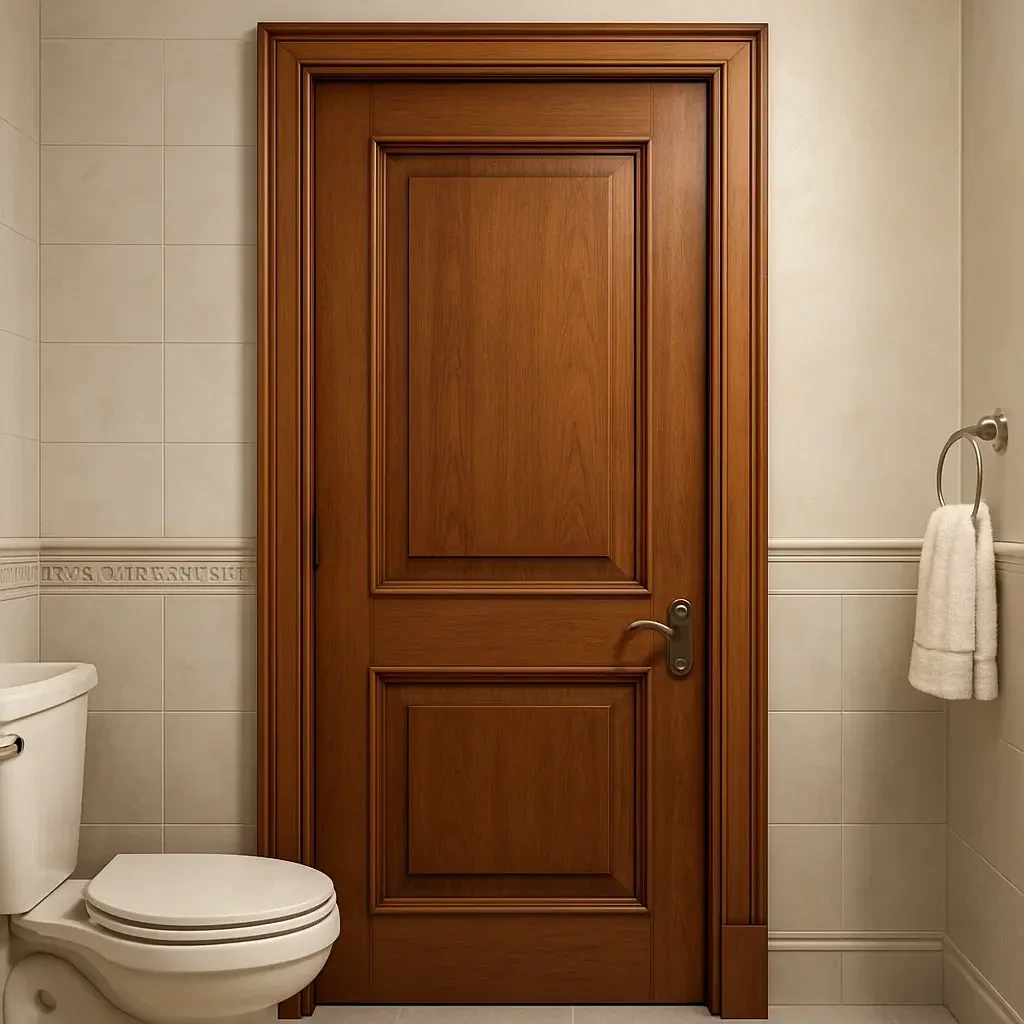
Understanding Moisture Resistance and Durability Requirements for Bathroom Spaces
Bathrooms are exposed to constant humidity from showers, sinks, and cleaning routines. This moisture can penetrate porous materials and cause swelling, warping, or fungal growth if the door is not properly constructed or sealed.
Key moisture-related challenges include:
- Steam accumulation in poorly ventilated bathrooms
- Direct water splashes near sinks or showers
- Fluctuating temperature levels
- High cleaning frequency with chemical agents
When evaluating a toilet door, moisture resistance should be a primary consideration. Doors designed for bathroom use typically incorporate sealed surfaces, treated cores, and protective laminates that reduce water absorption.
Durability also depends on:
- Edge sealing quality
- Core density and stability
- Hardware resistance to corrosion
- Frame compatibility with humid environments
Choosing a door that is specifically built to handle humidity can significantly reduce long-term maintenance concerns.
Comparing Solid Wood, Engineered Wood, and Synthetic Door Materials
Toilet doors are available in various materials, each offering different levels of performance in moist environments.
Solid Wood Doors
Solid wood offers natural strength and aesthetic appeal. However, untreated solid timber may absorb moisture and expand over time.
Benefits:
- Strong and durable
- Timeless appearance
- Good sound insulation
Limitations:
- Can swell in high humidity
- Requires proper sealing and finishing
Engineered Wood Doors
Engineered wood uses layered construction techniques that improve dimensional stability. These doors are less prone to warping than solid wood.
Advantages:
- More resistant to moisture-related movement
- Lightweight compared to solid wood
- Compatible with various surface finishes
Synthetic and Composite Materials
Materials such as PVC or WPC (wood-plastic composite) are designed to resist water absorption. These options are often chosen for high-humidity areas.
Advantages:
- Water-resistant properties
- Minimal maintenance
- Reduced risk of swelling
When selecting a wood door, it is important to verify whether the wood has been properly treated and sealed for bathroom environments. Not all wooden doors are automatically suitable for humid conditions.
Ventilation and Privacy Considerations When Selecting Toilet Doors
Beyond material choice, ventilation and privacy are essential factors.
Ventilation Requirements
Poor ventilation leads to prolonged humidity exposure. Some toilet doors incorporate:
- Bottom ventilation gaps
- Louvered panels for airflow
- Integrated ventilation grilles
Adequate airflow helps reduce mold growth and preserves the door’s structural stability.
Privacy Features
Privacy is fundamental in bathrooms. Consider:
- Opaque finishes or solid panels
- Secure locking mechanisms
- Sound insulation properties
- Soft-close hinges to minimize noise
Office restrooms may require enhanced privacy features to meet workplace standards, especially in shared facilities.
Balancing airflow and privacy ensures a comfortable and hygienic environment without compromising functionality.
Design Styles and Finishes That Complement Modern Interior Themes
Toilet doors contribute to overall interior aesthetics. Whether in a home or office, they should complement existing design themes.
Popular design considerations include:
- Minimalist flush doors for modern interiors
- Textured wood finishes for natural themes
- Neutral laminates for professional office settings
- Matte finishes to reduce visible fingerprints
Color selection often depends on wall tones and flooring materials. Light colors can make small bathrooms appear more spacious, while darker finishes may add contrast and depth.
In residential properties, coordination with other doors such as front doors helps create a cohesive visual flow throughout the home.
Maintenance and Cleaning Practices for Long Lasting Performance
Toilet doors experience frequent contact and cleaning. Proper maintenance extends lifespan and preserves appearance.
Routine Cleaning Tips
- Use mild, non-abrasive cleaners
- Avoid excessive water exposure on edges
- Wipe dry after cleaning
- Inspect seals regularly
Preventing Long-Term Damage
- Ensure adequate ventilation in the bathroom
- Repair minor surface chips promptly
- Replace worn-out seals to prevent moisture penetration
- Lubricate hinges periodically
Chemical-heavy cleaning agents can degrade certain finishes. Choosing doors with protective laminates or moisture-resistant coatings reduces susceptibility to damage.
Safety and Hygiene Standards Applicable to Residential and Commercial Restrooms
Bathrooms in commercial spaces must adhere to stricter hygiene and safety standards than residential bathrooms.
Key considerations include:
- Non-porous surfaces that resist bacterial growth
- Smooth finishes for easy cleaning
- Durable hardware that withstands frequent use
- Compliance with accessibility standards
In office environments, restroom doors must support:
- High traffic durability
- Impact resistance
- Reliable locking systems
Residential settings prioritize comfort and aesthetics but still benefit from hygienic surface treatments.
Common Installation Mistakes and How to Avoid Them
Proper installation significantly impacts door longevity and performance.
Frequent Installation Errors
- Incorrect frame alignment
- Insufficient bottom clearance
- Improper sealing around edges
- Using non-moisture-resistant hardware
How to Avoid These Issues
- Ensure the frame is square and level before installation
- Maintain appropriate floor clearance for ventilation
- Seal all exposed edges properly
- Use corrosion-resistant hinges and locks
Improper installation can lead to sticking doors, uneven closing, and long-term structural damage. Professional installation helps maintain alignment and moisture protection.
Conclusion
Choosing the right toilet door for homes and offices involves more than selecting a design that looks appealing. Moisture resistance, material stability, ventilation, privacy, hygiene standards, and installation quality all influence long-term performance.
By carefully evaluating materials such as solid wood, engineered wood, or synthetic alternatives, and by considering environmental conditions, property owners can ensure durability and functionality. A well-selected toilet door contributes not only to privacy and aesthetics but also to hygiene and structural reliability in high-moisture environments.
FAQs
1. What materials are best suited for toilet doors in humid areas?
Materials such as engineered wood with proper sealing, PVC, or WPC are commonly used due to their moisture resistance and dimensional stability.
2. How do you prevent swelling and warping in bathroom doors?
Ensure proper ventilation, use sealed or moisture-resistant materials, and avoid excessive water exposure on door edges.
3. Are wooden doors suitable for toilet spaces?
Yes, provided the wood is properly treated, sealed, and designed to withstand humidity fluctuations.
4. What type of lock is recommended for a toilet door?
Privacy locks with emergency release features are commonly recommended for both residential and commercial bathrooms.
5. How can ventilation improve the lifespan of a toilet door?
Proper ventilation reduces humidity buildup, preventing moisture absorption, swelling, and long-term structural damage.