
Fire safety is a critical component of modern building design, especially in regions with strict safety codes and rapid urban development such as the UAE. Among the various fire protection elements used in residential, commercial, and industrial properties, fire rated wooden doors play an essential role in slowing the spread of flames and smoke.
Understanding what influences the fire rated wooden door price in UAE today requires more than simply comparing materials. It involves examining certification standards, structural components, installation practices, and long-term durability considerations. This article explores the major factors that shape performance, compliance, and value in fire rated wooden doors.
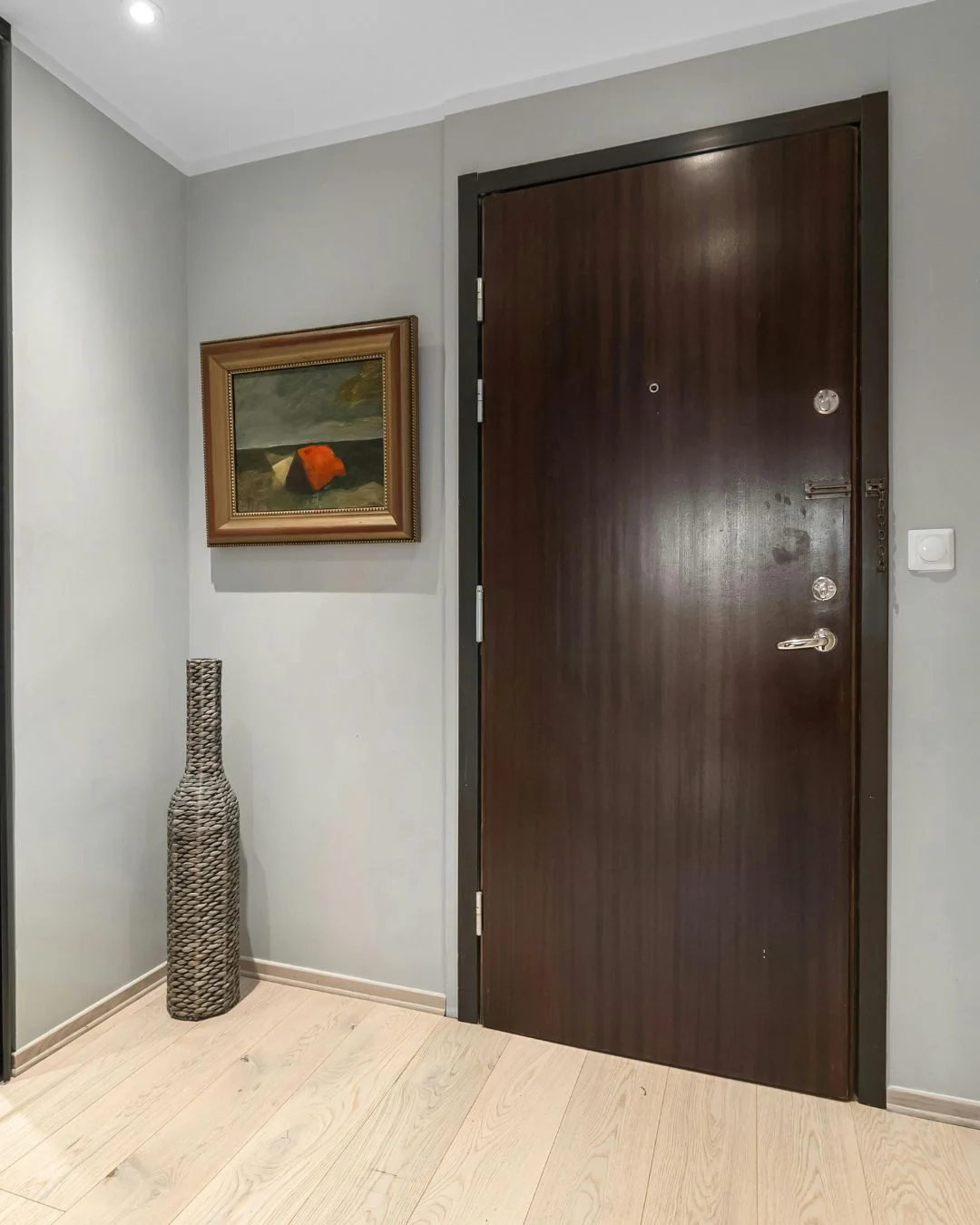
What Determines Fire Rated Wooden Door Price in UAE?
The fire rated wooden door price in UAE is influenced by more than the timber finish or door size. Key cost factors include the required fire-resistance rating, tested door-leaf construction, frame specification, intumescent seals, smoke-control components, and compatible hinges, closers, and locks. A 30-, 60-, 90-, or 120-minute rating should be selected according to the project specification rather than simply choosing the highest rating available.
Importantly, fire performance applies to the tested door assembly, so the door leaf, frame, seals, and specified hardware must be compatible with the certified configuration. For projects comparing wooden door options with fire-rated requirements, certification documentation and installation specifications should be considered alongside the initial price.
Several factors influence a door’s fire rating:
- Core material density and composition
- Thickness of the door leaf
- Intumescent seals and smoke gaskets
- Quality of frame construction
- Hardware compatibility (hinges, closers, locks)
A higher fire rating typically means the door can resist fire for 30, 60, 90, or even 120 minutes. However, the rating is only valid when the entire assembly including frame, seals, and hardware has been tested together.
Compliance standards in the UAE require certified documentation. Fire rated doors must pass laboratory testing and meet Civil Defense regulations before installation in regulated buildings such as hospitals, schools, and high-rise towers.
How Core Construction Affects Wooden Fire Door Price
The construction of a fire rated wooden door has a direct effect on performance, specification, and overall cost. Unlike a conventional timber door, a certified fire-rated assembly uses a tested core and supporting components designed to maintain integrity during fire exposure. Depending on the tested system, construction may incorporate solid timber elements, mineral-based boards, or engineered composite cores, together with compatible facings, adhesives, edge protection, and intumescent seals.
The material specification should therefore be evaluated as a complete tested system rather than assuming that a heavier or more expensive timber automatically provides a higher fire rating. For projects comparing custom wood doors or standard wooden doors with fire-rated requirements, the relevant test evidence, rating, dimensions, and approved component combinations should be confirmed before comparing prices.
Common core construction methods include:
- Solid Timber Core
High-density hardwood cores offer structural strength and moderate fire resistance when combined with protective layers. - Mineral Core Construction
Incorporates fire-resistant mineral boards or gypsum-based materials to enhance heat resistance. - Composite Fire-Resistant Core
A combination of engineered wood and fire-retardant materials designed to maintain integrity under extreme heat.
Material grading affects long-term stability. Lower-grade materials may warp or degrade under fluctuating temperatures, reducing effectiveness over time. High-quality veneers and laminates are also treated to slow ignition and reduce flame spread.
Doors categorized under fire rated wooden door price in uae typically reflect differences in core technology, certification level, and finishing materials rather than appearance alone.
Certification, Installation and Compliance Costs for Fire Rated Wooden Doors
Certification and installation requirements can significantly affect the price of fire rated wooden doors in Dubai and across the UAE. Buyers should verify the applicable fire-resistance rating, test report or certification documentation, approved door and frame configuration, smoke-seal requirements, and hardware compatibility before purchasing.
Installation is equally important because replacing specified components or fitting the assembly incorrectly can compromise its tested performance. For commercial, residential tower, hospitality, healthcare, or other regulated projects, the required approval route should be confirmed with the project consultant and relevant authority rather than relying solely on a supplier’s general “fire-rated” description. When comparing fire-rated door solutions, the quoted price should therefore be assessed against the complete specification, documentation, installation requirements, and ongoing maintenance needs.
Key certification aspects include:
- Fire resistance duration verification
- Smoke leakage testing
- Structural load resistance
- Hardware compatibility testing
Civil Defense approvals often require documented evidence of testing from accredited laboratories. Without proper certification, even a structurally strong door may not qualify as a fire-rated solution.
Documentation typically includes:
- Test reports
- Manufacturer certification
- Installation guidelines
- Maintenance recommendations
Building inspectors may verify labels installed on the door edge or frame to confirm compliance. Therefore, certification is not merely a formality but an essential component of legal and functional safety.
Differences Between Solid Wood, Engineered Wood, and Composite Door Options
Fire rated wooden doors can be manufactured using different wood-based systems. Understanding the differences helps clarify why construction type affects performance and longevity.
Solid Wood
Solid hardwood doors are valued for strength and durability. However, untreated solid wood alone does not provide sufficient fire resistance. Additional fire-resistant cores and seals are necessary to achieve compliance.
Advantages:
- Strong structural integrity
- Natural aesthetic appeal
- Good durability when properly sealed
Limitations:
- Can expand or contract with humidity
- Requires protective treatment for fire resistance
Engineered Wood
Engineered wood doors use layered construction methods that improve dimensional stability. They resist warping better than solid timber.
Benefits include:
- Greater resistance to humidity fluctuations
- Improved stability in climate-controlled environments
- Compatibility with fire-resistant core materials
Composite Fire-Rated Systems
Composite systems combine engineered wood with fire-retardant boards and mineral cores. These doors are specifically designed for fire protection and offer consistent performance across various building types.
When comparing alternatives such as wpc doors price in uae, it becomes clear that WPC (wood-plastic composite) doors may provide moisture resistance but are not inherently designed for high fire resistance unless specially engineered.
Installation Considerations That Impact Overall Performance and Longevity
Even a certified fire rated door can fail if installed incorrectly. Proper installation ensures that the door performs according to its tested rating.
Critical installation factors include:
- Correct Frame Alignment
Frames must be square and securely anchored to structural walls. - Gap Tolerances
Excessive gaps around the door can allow smoke penetration. - Intumescent Seal Placement
These seals expand under heat and must be installed precisely. - Approved Hardware Use
Hinges, locks, and closers must meet fire-rated standards. - Professional Installation
Trained installers follow manufacturer guidelines to maintain certification validity.
Incorrect installation can void certification and compromise safety. Regular inspections are recommended to verify that hinges remain tight, seals are intact, and the door closes fully without obstruction.
Maintenance Practices to Preserve Fire Resistance and Structural Integrity
Long-term performance depends heavily on maintenance. Fire rated wooden doors require periodic inspection to ensure continued compliance.
Recommended maintenance practices include:
- Checking for visible cracks or warping
- Inspecting intumescent strips for damage
- Ensuring self-closing mechanisms function properly
- Verifying that door gaps remain within approved limits
- Cleaning surfaces with non-abrasive materials
Exposure to excessive moisture, impact damage, or improper alterations can reduce fire resistance. For example, drilling additional holes for hardware without proper sealing may compromise structural integrity.
Unlike standard interior doors such as wardrobe doors, fire rated doors are part of a life safety system. Any modification should follow certified guidelines to maintain effectiveness.
Routine inspections—often annually in commercial properties help ensure continued compliance with safety regulations.
Comparing Fire Rated Wooden Doors with Alternative Safety Door Materials
Fire rated wooden doors are not the only option available for fire protection. Steel and aluminum fire-rated doors are also commonly used in industrial and commercial settings.
Steel Fire Rated Doors
Advantages:
- Extremely durable
- High fire resistance ratings
- Suitable for heavy-duty environments
Disadvantages:
- Industrial appearance
- Higher weight
- Susceptible to corrosion if not treated
Aluminum Fire Doors
Advantages:
- Lightweight
- Modern aesthetic
- Corrosion resistance
Disadvantages:
- May require additional reinforcement for high fire ratings
Wooden Fire Rated Doors
Advantages:
- Aesthetic versatility
- Suitable for residential and commercial interiors
- Can blend with interior design themes
Disadvantages:
- Requires careful maintenance
- Sensitive to environmental changes
Wooden fire rated doors are often preferred in environments where visual integration with interior design is important while still meeting safety codes.
Conclusion
The fire rated wooden door price in UAE today is influenced by far more than appearance or size. Core construction materials, certification standards, installation quality, regulatory compliance, and maintenance practices all contribute to overall performance and durability.
Understanding these factors allows property owners, architects, and facility managers to make informed decisions that prioritize safety and long-term reliability. Fire rated wooden doors serve as a critical barrier against the spread of flames and smoke, protecting both occupants and property when properly selected and maintained.
FAQs
Q1: What affects the fire rated wooden door price in UAE?
A: Price is influenced by the required fire rating, door size and thickness, core construction, frame, intumescent seals, compatible hardware, certification, finish, and installation requirements.
Q2: How much does a fire rated wooden door cost in the UAE?
A: There is no single fixed price because specifications vary considerably. A reliable quote should be based on the required fire rating, dimensions, tested assembly, hardware, finish, and installation.
Q3: What is the difference between a 30-minute and 60-minute fire rated wooden door?
A: The rating indicates the period for which the tested door assembly is designed to maintain the specified fire-resistance performance under the applicable test conditions. The required rating should come from the project’s fire-safety specification.
Q4: Does a thicker wooden door automatically have a higher fire rating?
A: No. Thickness alone does not establish fire resistance. The complete door assembly must have appropriate test evidence for the claimed rating.
Q5: Why are fire rated wooden doors more expensive than standard wooden doors?
A: Fire-rated assemblies require specialized core construction, seals, compatible frames and hardware, testing or certification, and controlled installation, which can increase the overall cost.
Q6: Does the frame affect the price of a fire rated wooden door?
A: Yes. The frame is part of the fire-rated assembly, and its material, construction, dimensions, seals, and compatibility with the tested door system can affect both specification and price.
Q7: Do fire rated wooden doors require special hardware?
A: Usually, the hardware must be compatible with the tested fire-rated configuration. Hinges, closers, locks, seals, and other components should be selected according to the applicable tested or approved system.
Q8: Can a normal wooden door be upgraded to become fire rated?
A: Not simply by adding a fire-resistant coating or seal. A fire rating applies to a tested and appropriately specified door assembly, so an existing door should not be represented as fire-rated without valid supporting evidence.
Q9: What should I check before buying a fire rated wooden door in Dubai?
A: Confirm the required fire rating, dimensions, door and frame configuration, test or certification documentation, seals, hardware compatibility, installation requirements, and the approval requirements applicable to your project.
Q10: Does installation affect the performance of a fire rated wooden door?
A: Yes. Incorrect installation, unsuitable hardware, gaps, damaged seals, or deviations from the tested configuration can compromise the door assembly’s intended fire performance.