
French doors have long been admired for their timeless elegance and practical functionality. Recognizable by their large glass panels and symmetrical double-door design, they create a seamless connection between spaces while allowing natural light to flow freely. Whether used inside the home or as a transition to outdoor areas, these doors combine architectural charm with everyday usability.
In modern interiors, French doors are appreciated not only for their visual appeal but also for their ability to enhance openness, ventilation, and spatial perception. This guide explores their defining features, benefits, comparisons with other door styles, and practical considerations to help you understand their role in contemporary living environments.
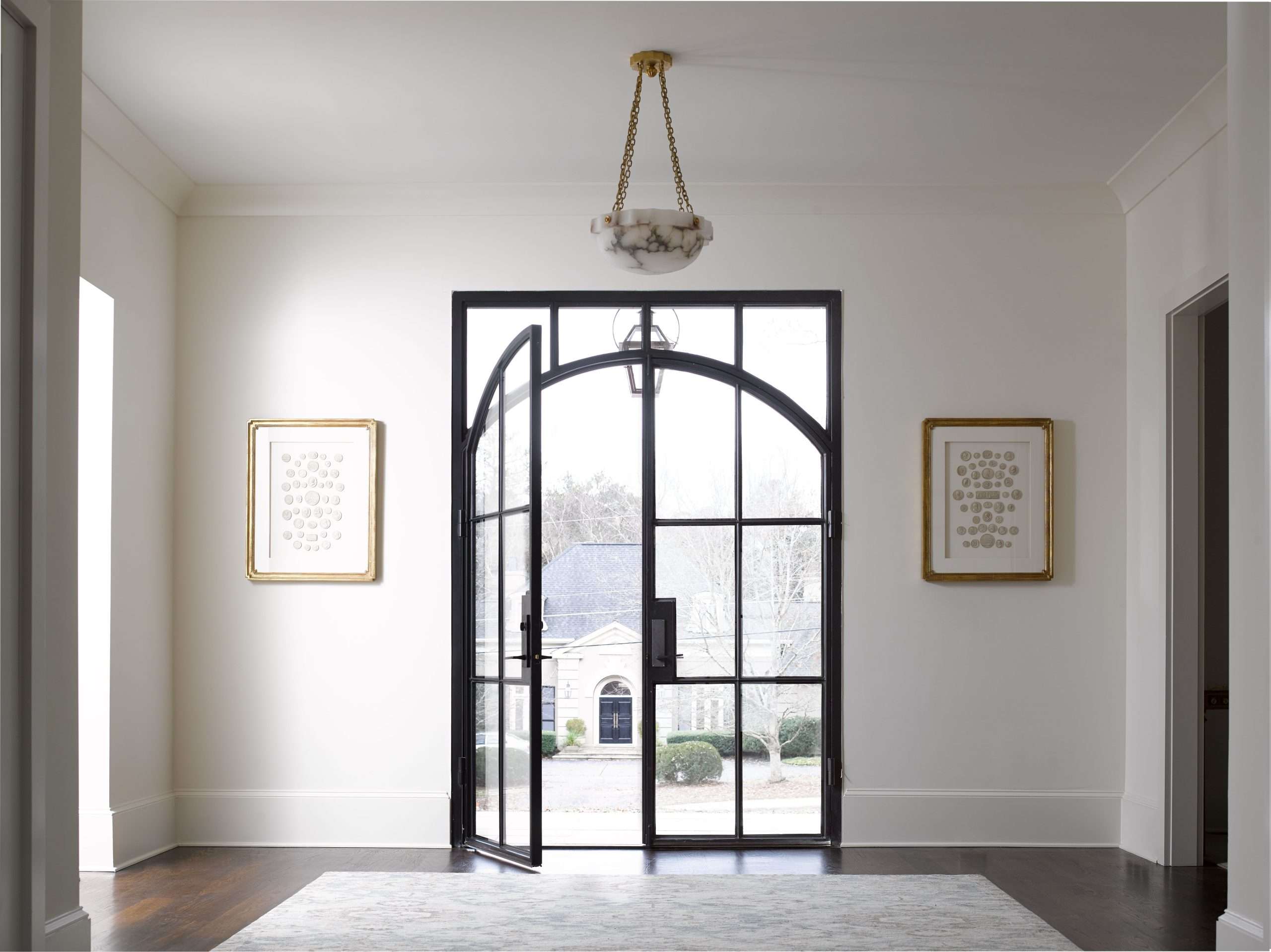
What Are French Doors and How Do They Function in Modern Homes
French doors are typically designed as a pair of hinged doors that open either inward or outward from the center. Their most distinctive feature is the inclusion of multiple glass panes extending across the majority of the door surface. This construction allows light to travel between rooms while still maintaining physical separation when needed.
In modern homes, they serve several functional purposes:
- Creating visual continuity between rooms
- Enhancing daylight penetration
- Improving cross-ventilation
- Acting as stylish room dividers
- Connecting interior spaces to patios or balconies
Unlike solid-core doors, French doors reduce the visual barrier between areas. When closed, they preserve privacy while maintaining brightness. When open, they create a wide passage that enhances movement and accessibility.
Today’s designs may incorporate slim frames, contemporary hardware, and advanced glass technology, making them suitable for both traditional and minimalist interiors.
Key Architectural Features That Define Classic French Door Designs
The architectural identity of French doors lies in a few essential design elements:
- Multiple Glass Panels – Traditionally divided by muntins or grilles, creating a grid pattern.
- Symmetrical Double-Leaf Structure – Two doors meeting in the center for balance.
- Narrow Frames – Designed to maximize glass exposure.
- Decorative Hardware – Handles and locks that complement architectural style.
While older designs used smaller glass panes due to manufacturing limitations, modern versions often feature larger uninterrupted glass sections for a sleeker look. Despite these updates, the fundamental aesthetic remains consistent.
Materials can range from wood and aluminum to composite frames. When exploring different interior layouts, homeowners often compare French doors with other options such as a foldable door to determine which design better suits spatial constraints or flexibility needs.
Benefits of Installing French Doors for Natural Light and Space
One of the most compelling advantages of French doors is their ability to increase natural light exposure. Since glass makes up a large portion of the structure, daylight flows between connected rooms without obstruction.
Key Benefits Include:
- Enhanced Brightness: Reduces reliance on artificial lighting during daytime hours.
- Visual Expansion: Glass creates the illusion of larger rooms.
- Improved Mood and Comfort: Natural light has psychological benefits.
- Energy Efficiency Support: Proper glass selection can contribute to thermal performance.
In compact homes or apartments, French doors can significantly transform the perception of space. Instead of creating enclosed compartments, they encourage openness while still defining functional zones.
Additionally, they improve ventilation. When both panels are opened, they create a wide passage that allows fresh air to circulate more effectively than a single hinged door.
Comparing French Doors With Other Interior Door Styles
When planning interior layouts, it is useful to compare French doors with other door styles to understand their advantages and limitations.
Compared to Sliding Doors:
- Sliding doors save floor space but do not open fully like French doors.
- French doors offer a wider access opening when both panels are open.
- Sliding systems require track maintenance.
Compared to Pocket Doors:
- Pocket doors disappear into walls but limit glass exposure.
- French doors provide more natural light between rooms.
Compared to Solid Interior Doors:
- Solid doors offer maximum privacy and sound insulation.
- French doors prioritize brightness and visual connection.
People evaluating door styles often research broader interior options, including considerations like interior doors dubai price to understand how various materials and mechanisms differ structurally. While cost analysis varies by region and design, the functional comparison remains universal.
French doors strike a balance between openness and enclosure, making them particularly suitable for living rooms, dining rooms, home offices, and transitional spaces.
Ideal Room Placements for Maximum Ventilation and Aesthetic Appeal
Strategic placement significantly enhances the effectiveness of French doors. Their design works best in locations where light flow and visibility matter most.
Common Placement Areas:
- Between living and dining rooms
- As a connection between bedroom and balcony
- Between kitchen and garden access
- As an elegant entrance to a home office
- Separating a sunroom from main living space
When placed between interior spaces, they help maintain visual continuity. When leading outdoors, they create a welcoming transition that blends indoor and outdoor living.
To maximize ventilation:
- Ensure sufficient clearance for door swing.
- Position opposite windows for cross-breeze efficiency.
- Choose outward-opening panels in compact rooms.
Proper placement ensures both aesthetic harmony and functional comfort.
Material Options and How They Influence Durability and Maintenance
The performance of French doors depends largely on material selection. Each material impacts longevity, insulation, and maintenance requirements.
Wood
- Offers classic elegance
- Provides natural insulation
- Requires periodic sealing or painting
Aluminum
- Lightweight and durable
- Resistant to moisture and warping
- Minimal maintenance required
uPVC
- Energy efficient
- Resistant to corrosion
- Suitable for humid climates
Glass Types
- Tempered glass for safety
- Laminated glass for security
- Double glazing for insulation
- Low-emissivity coatings for heat control
Choosing the right combination of frame and glass ensures durability without sacrificing design appeal. Climate conditions should also influence material decisions, especially in regions with high humidity or intense sunlight exposure.
Understanding Space Planning Before Choosing Door Configurations
Before installing French doors, it is important to evaluate available space and layout dynamics.
Key Planning Considerations:
- Swing Direction: Inward or outward opening impacts furniture placement.
- Clearance Requirements: Ensure adequate floor space.
- Ceiling Height Proportion: Taller doors can enhance vertical perception.
- Traffic Flow Patterns: Avoid obstructing primary walkways.
- Privacy Needs: Consider frosted or textured glass where necessary.
If space is limited, alternative door types such as sliding systems may be considered. For instance, some homeowners compare French doors with options like french doors designed for specific architectural layouts to determine compatibility with room dimensions.
Careful planning ensures that the door enhances rather than disrupts functionality.
Maintenance Tips to Keep Glass Panels and Frames in Top Condition
Maintaining French doors is relatively straightforward but requires consistency.
Glass Care:
- Clean regularly with non-abrasive glass cleaners.
- Avoid harsh chemicals that damage coatings.
- Inspect seals to prevent moisture buildup.
Frame Maintenance:
- Repaint or reseal wooden frames periodically.
- Check hinges and lubricate moving parts annually.
- Tighten hardware to maintain alignment.
Seasonal Checks:
- Inspect weather stripping.
- Check for air leaks.
- Ensure locking mechanisms function smoothly.
Proper maintenance preserves clarity, structural integrity, and operational smoothness for years.
Conclusion
French doors remain a versatile architectural element that enhances both aesthetics and functionality. By maximizing natural light, improving airflow, and maintaining visual continuity between spaces, they support modern interior design principles centered on openness and comfort.
Whether installed between rooms or leading outdoors, their symmetrical design and glass-forward structure create a balance between separation and connection. With thoughtful placement, appropriate material selection, and regular maintenance, French doors continue to serve as both practical solutions and timeless design features.
FAQs
1. What makes French doors different from standard hinged doors?
French doors feature extensive glass panels and typically consist of two symmetrical doors that open from the center, whereas standard hinged doors usually have a solid panel and a single leaf.
2. Are French doors suitable for small rooms?
Yes, they can make small rooms feel larger by allowing light to pass through and maintaining visual openness, especially when designed with slim frames.
3. How do French doors improve natural lighting indoors?
Their large glass surfaces enable daylight to move between rooms, reducing reliance on artificial lighting during daytime hours.
4. What materials are commonly used in French door construction?
Common materials include wood, aluminum, and uPVC frames combined with tempered, laminated, or double-glazed glass panels.
5. Can French doors be used as interior room dividers?
Yes, they are frequently used as elegant room dividers, offering separation without sacrificing brightness or openness.