
Selecting the right door for your home involves more than simply matching colors or materials. Doors play a crucial role in privacy, insulation, security, and overall architectural harmony. Whether for interior or exterior use, the choice of door affects both functionality and aesthetics.
With a wide range of materials, designs, and configurations available, understanding the essential factors behind door selection helps homeowners make informed decisions. From structural composition to environmental considerations, every detail contributes to long-term performance and comfort.
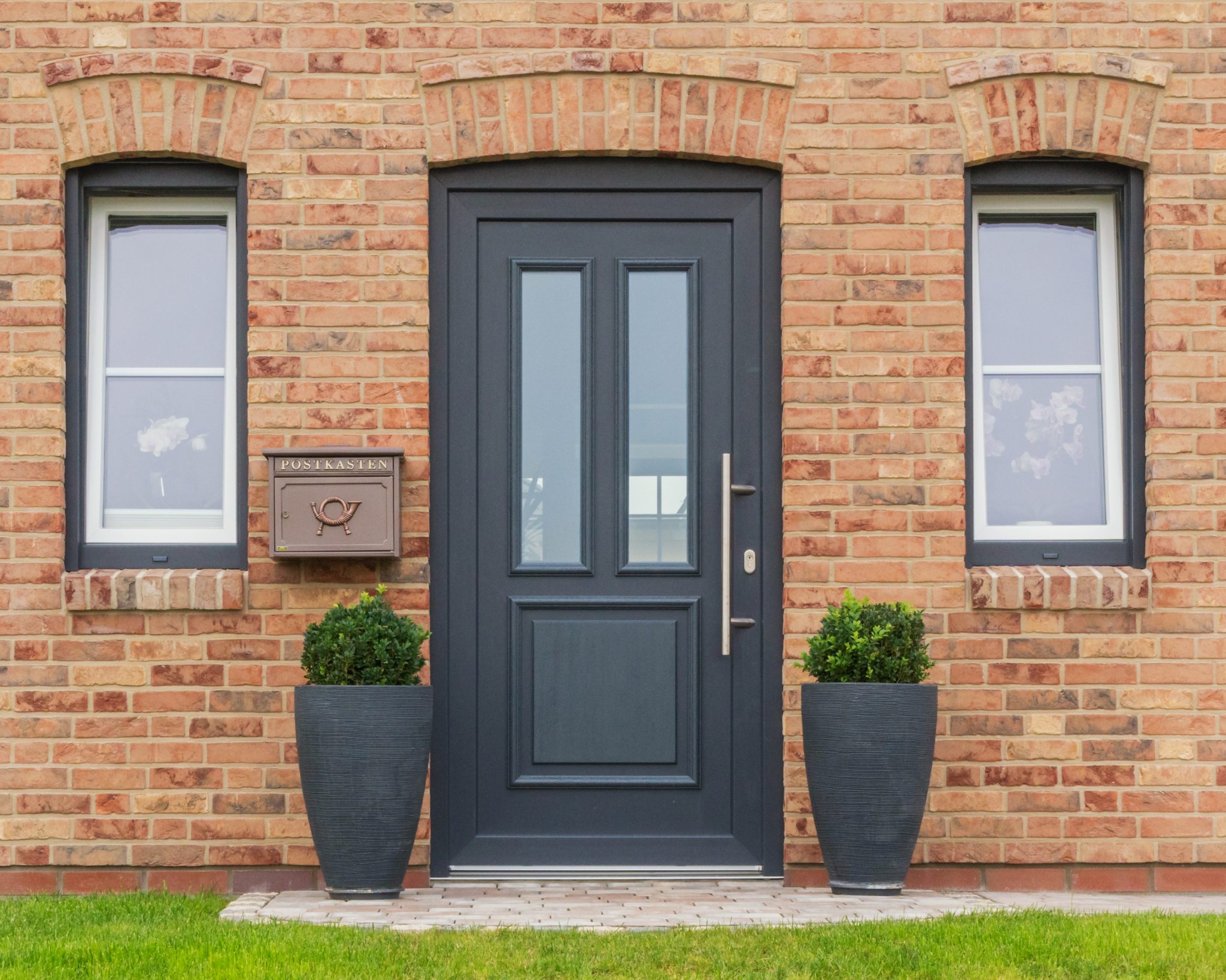
Understanding the Functional Purpose of a Door in Residential Architecture
A door is more than an entryway; it serves multiple structural and practical functions within a home. Before choosing a door, it is important to define its intended purpose.
Doors typically serve to:
- Provide privacy between rooms
- Offer security at entry points
- Improve sound insulation
- Control airflow and temperature
- Enhance interior design continuity
For example, an exterior entrance door must prioritize security and weather resistance, while a bedroom door focuses more on privacy and acoustic insulation.
When evaluating different types of door, understanding where and how it will be used ensures better material and design decisions.
Comparing Solid Core, Hollow Core, and Composite Door Structures
Door construction significantly influences durability, weight, insulation, and performance.
Solid Core Doors
Solid core doors are filled with engineered wood or composite material. They are:
- Heavier and more durable
- Better at reducing sound transmission
- More resistant to impact
These are commonly used in bedrooms, offices, or spaces requiring privacy.
Hollow Core Doors
Hollow core doors feature a lightweight honeycomb interior structure. They are:
- Cost-effective
- Lightweight and easy to install
- Less effective at soundproofing
They are typically used for closets or low-traffic areas.
Composite Doors
Composite doors, such as WPC-based options, combine wood fibers and polymers. These offer:
- Enhanced moisture resistance
- Greater dimensional stability
- Lower maintenance requirements
Understanding these structural differences helps align door selection with functional needs.
Benefits of WPC Door Materials in Modern Construction Projects
Wood Plastic Composite materials are increasingly used in modern residential projects due to their durability and versatility.
A wpc door offers several functional advantages:
- Resistance to moisture and humidity
- Protection against termites and fungal growth
- Reduced risk of swelling or warping
- Minimal maintenance requirements
These characteristics make WPC doors particularly suitable for kitchens, bathrooms, and coastal homes where humidity levels are high.
Additionally, composite technology ensures consistent quality and fewer natural defects compared to traditional timber. For homeowners seeking long-term performance without frequent refinishing, WPC materials provide a practical solution.
When a Wooden Sliding Door Is Ideal for Space Efficiency
Space optimization is a key consideration in modern homes, especially in apartments or compact layouts. Sliding door systems can significantly improve usable space by eliminating swing clearance.
A wooden sliding door can be ideal in situations such as:
- Connecting living and dining areas
- Dividing open-plan spaces
- Closing off wardrobes or storage areas
- Enhancing natural light flow
Unlike hinged doors, sliding doors operate along tracks, which allows furniture placement closer to walls. They also create a seamless transition between rooms, contributing to a contemporary interior aesthetic.
When selecting a sliding system, factors such as track quality, door weight, and wall structure must be considered to ensure smooth operation and long-term reliability.
Factors to Consider Including Climate, Usage, and Placement
Choosing the right door requires evaluating environmental and functional conditions.
Climate Considerations
- Humid climates require moisture-resistant materials.
- Hot climates benefit from doors with thermal insulation properties.
- Coastal environments demand corrosion-resistant hardware.
Usage Frequency
High-traffic areas require durable materials that withstand repeated opening and closing. Bedrooms and study rooms may prioritize acoustic insulation.
Placement
Exterior doors must provide:
- Weather resistance
- Enhanced security
- Strong structural integrity
Interior doors, on the other hand, focus more on privacy, aesthetics, and sound reduction.
Evaluating these variables ensures the selected door performs effectively under real-world conditions.
Acoustic Insulation and Privacy Considerations for Interior Doors
Noise control is an important but often overlooked aspect of door selection. The internal structure and thickness of a door directly impact sound transmission.
To improve acoustic insulation:
- Choose solid core or composite doors.
- Ensure proper sealing around frames.
- Install quality door sweeps if necessary.
Bedrooms, home offices, and media rooms particularly benefit from enhanced sound insulation.
Privacy also depends on door alignment and hardware quality. Proper installation prevents gaps that compromise both sound control and visual privacy.
Design Harmony Between Doors and Overall Interior Themes
Doors significantly influence interior aesthetics. Their color, finish, and panel style should align with the broader design concept of the home.
For example:
- Minimalist interiors often use smooth, flush doors with neutral tones.
- Traditional homes may feature paneled designs with wood textures.
- Industrial themes may incorporate darker finishes and metallic accents.
Consistency across interior doors creates visual cohesion. Even subtle variations in shade or hardware can affect overall harmony.
Additionally, door handles, hinges, and trims should complement flooring, cabinetry, and wall finishes for a unified appearance.
Long-Term Durability and Maintenance Requirements Explained
Durability is a key factor when choosing a door. Material choice, finish quality, and installation standards all influence longevity.
To ensure long-term performance:
- Select materials appropriate for the environment.
- Use corrosion-resistant hardware.
- Maintain proper alignment during installation.
- Clean surfaces regularly with mild products.
Solid wood may require refinishing over time, while composite options often need minimal upkeep. Proper care extends the lifespan of any door and preserves its appearance.
Regular inspection of hinges, locks, and sliding tracks prevents operational issues and reduces the need for costly repairs.
Conclusion
Choosing the right door for your home involves balancing functionality, durability, aesthetics, and environmental considerations. From structural composition to climate compatibility, every factor plays a role in determining long-term performance.
Understanding the differences between solid core, hollow core, and composite materials helps align choices with practical needs. Sliding systems can enhance space efficiency, while moisture-resistant materials offer durability in humid environments.
By carefully evaluating usage, placement, and design harmony, homeowners can select doors that enhance both comfort and architectural integrity.
FAQs
1. What factors should be considered when choosing a door?
Important factors include the door’s purpose, material composition, climate compatibility, insulation needs, durability, and overall design consistency.
2. How does climate affect door material selection?
Humidity can cause wood to swell, while extreme heat may affect structural integrity. Moisture-resistant and dimensionally stable materials are better suited for challenging climates.
3. What is the difference between solid core and hollow core doors?
Solid core doors are heavier and provide better sound insulation, while hollow core doors are lightweight and typically used in low-traffic or non-private spaces.
4. Are sliding doors suitable for small rooms?
Yes, sliding doors save space by eliminating swing clearance, making them ideal for compact layouts or multifunctional areas.
5. How do I maintain a door to ensure long lifespan?
Regular cleaning, periodic hardware inspection, proper sealing, and ensuring correct alignment during installation all contribute to extending a door’s lifespan.