
Modern homes are increasingly designed to maximize usable space while maintaining a clean and functional layout. Among the many architectural features that support this goal, the pocket door stands out as a smart and efficient solution. Unlike traditional hinged doors that swing open and require clearance, pocket doors slide discreetly into the wall, freeing up valuable floor space.
Understanding how this system works, where it fits best, and what considerations come with installation can help homeowners make informed design decisions. Whether you are planning a renovation or exploring smarter layout solutions, learning the mechanics and benefits of a pocket-style sliding system is essential.
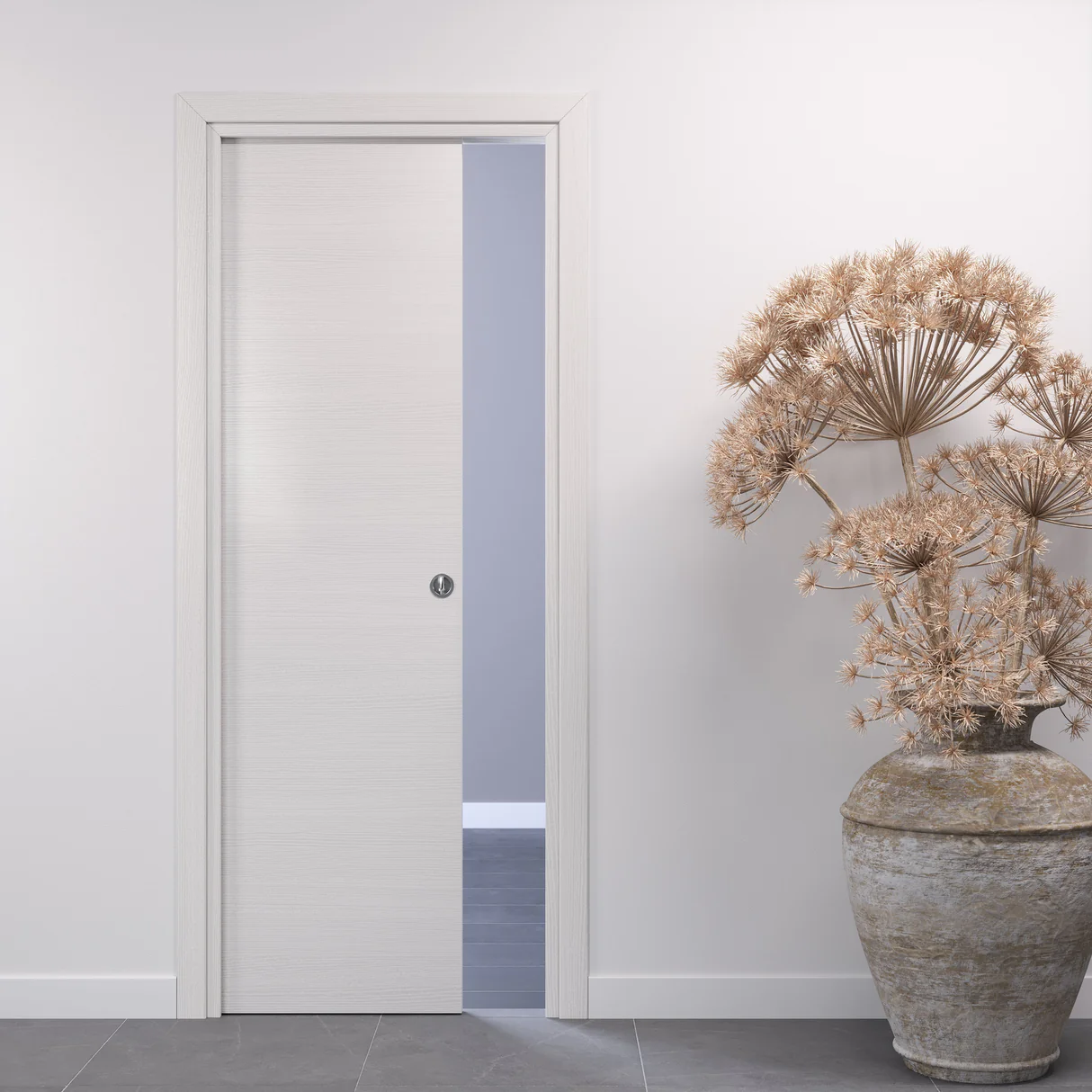
What Is a Pocket Door and How It Differs From Hinged Doors
A pocket door is a sliding door that disappears into a compartment built within the wall. Instead of swinging open on hinges, it glides along a track and rests inside a concealed cavity when fully open.
Here’s how it differs from a traditional hinged door:
- No swing radius required — Hinged doors need clearance space to open and close.
- Space efficiency — Pocket doors free up wall and floor area.
- Minimal visual interruption — When open, they are completely hidden.
- Track-based movement — They operate using rollers mounted on an overhead track.
In contrast, hinged doors rely on side-mounted hinges and occupy space when opened. This makes pocket doors especially useful in compact areas such as bathrooms, closets, laundry rooms, and home offices.
How Pocket Door Systems Slide Smoothly Inside the Wall Cavity
The functionality of a pocket door depends on a concealed structural system installed inside the wall. This system includes:
- Overhead track
- Roller assemblies
- Door guides
- Framing kit that creates the wall cavity
When the door is opened, the rollers glide along the track, allowing the door panel to move horizontally into the wall pocket. The bottom guide ensures the panel stays aligned and prevents swinging.
High-quality hardware plays a significant role in ensuring smooth, quiet operation. Modern systems are designed with:
- Ball-bearing rollers for minimal friction
- Soft-close mechanisms to prevent slamming
- Reinforced frames for structural stability
These elements collectively ensure long-term performance and reliability.
Key Structural Requirements Before Installing a Pocket Door
Before installing a pocket door, certain structural conditions must be evaluated. Because the door slides into the wall, the wall itself must accommodate a hollow cavity.
Important considerations include:
- Wall thickness — Standard 2×4 framing may need modification.
- Electrical wiring relocation — Wiring cannot run through the pocket cavity.
- Plumbing restrictions — Avoid installing in walls containing pipes.
- Load-bearing walls — Structural reinforcement may be required.
During renovations, installing a pocket system may involve removing drywall and reframing part of the wall. In new construction, it is easier to integrate the system during the framing stage.
If you’re exploring design ideas and structural compatibility, reviewing examples of a pocket door system can provide helpful visual context.
Advantages of Using Space-Saving Sliding Door Systems
Pocket doors are often associated with space-saving design, but their advantages go beyond compact layouts.
1. Maximizes Usable Floor Area
Without the need for swing clearance, furniture placement becomes more flexible.
2. Enhances Accessibility
Pocket doors are easier to navigate in tight areas, making them useful in accessible design.
3. Creates Seamless Transitions
They allow rooms to feel open and connected when needed.
4. Reduces Visual Clutter
When open, the door disappears entirely.
5. Supports Modern Interior Styles
Clean lines and concealed hardware complement minimalist aesthetics.
Because pocket systems fall under the broader category of sliding doors, they share similar operational principles but differ in installation structure and space integration.
Common Materials Used in Modern Pocket Door Designs
Pocket doors can be manufactured from a wide range of materials, depending on design preferences and functional needs.
Wood
- Solid wood for durability
- Engineered wood for stability
- Veneered finishes for aesthetic variety
Glass
- Frosted for privacy
- Clear for light flow
- Tempered for safety
MDF and Composite
- Budget-friendly
- Smooth finish for paint
Metal and Aluminum Frames
- Lightweight
- Resistant to warping
Material choice affects weight, sound insulation, durability, and overall appearance. Heavier doors may require reinforced track systems, while glass panels introduce natural light into enclosed areas.
Installation Process Explained Step by Step for Homeowners
Installing a pocket door system requires careful planning and execution. Here’s a simplified step-by-step overview:
Step 1: Remove Existing Wall Surface
Drywall is removed to expose wall framing.
Step 2: Modify or Replace Wall Framing
Install a pocket door frame kit that creates the cavity.
Step 3: Install the Track System
Secure the overhead track according to manufacturer guidelines.
Step 4: Hang the Door Panel
Attach rollers to the door and position it onto the track.
Step 5: Add Guides and Stops
Install bottom guides and soft-close features if included.
Step 6: Close and Finish the Wall
Reinstall drywall, apply finishing, and paint.
While experienced DIY homeowners may attempt installation, structural considerations often make professional assistance beneficial. Proper alignment ensures smooth and long-lasting performance.
Maintenance Tips to Ensure Long-Term Sliding Performance
Pocket doors require less visible maintenance than hinged doors, but periodic care ensures optimal operation.
Keep the Track Clean
Dust and debris can accumulate inside the track. Periodic vacuuming prevents obstruction.
Inspect Rollers
Worn rollers can affect smooth movement. Replace them if noise or resistance increases.
Lubricate Moving Parts
Use appropriate lubricants recommended by the manufacturer.
Check Alignment
If the door rubs against the frame, minor adjustments may be needed.
Avoid Excessive Force
Slamming or pulling aggressively may damage internal hardware.
Regular maintenance extends lifespan and preserves functionality.
Design Situations Where Pocket Doors Work Best
Pocket doors shine in specific architectural scenarios where space efficiency and flexibility are priorities.
Small Bathrooms
Eliminates door swing interference with fixtures.
Walk-In Closets
Provides unobstructed entry without limiting shelf space.
Laundry Rooms
Improves movement in narrow hallways.
Home Offices
Allows privacy when closed and openness when retracted.
Open-Plan Living Areas
Can divide rooms temporarily without permanent barriers.
In urban environments where square footage is valuable, integrating smart door solutions is common. Exploring broader architectural concepts within door dubai resources can offer additional insights into design trends and space optimization strategies.
Conclusion
Pocket doors represent a practical and elegant alternative to traditional hinged doors. By sliding seamlessly into the wall cavity, they maximize space, enhance accessibility, and contribute to modern interior aesthetics. Though installation requires structural consideration, the long-term benefits often justify the effort.
From small apartments to contemporary homes, pocket door systems continue to gain popularity for their efficiency and minimalist appeal. Understanding how they work, what materials are available, and how to maintain them ensures informed decisions for both renovations and new builds.
FAQs
1. What is a pocket door used for in modern homes?
Pocket doors are used to save space and create flexible room divisions. They are ideal for bathrooms, closets, offices, and compact living areas.
2. How much wall space is required to install one?
The wall must have enough width to accommodate the full width of the door panel inside the cavity. Typically, this means the wall must be at least twice the width of the door opening.
3. Are pocket doors durable for daily use?
Yes, when installed with high-quality hardware and maintained properly, pocket doors are durable and suitable for everyday operation.
4. Can pocket doors be installed in existing walls?
Yes, but installation in existing walls may require removing drywall, relocating utilities, and reframing sections of the wall.
5. What are the main advantages over hinged doors?
They save space, eliminate swing clearance requirements, and create a cleaner visual appearance when open.
6. Do pocket doors provide good sound insulation?
Sound insulation depends on materials and installation quality. Solid-core panels provide better sound control than hollow-core options.