
Modern construction and interior design have evolved significantly over the past few decades, introducing innovative materials that combine durability, aesthetics, and sustainability. Among these advancements, Wood Plastic Composite (WPC) has emerged as a popular solution in the door industry due to its balanced performance and versatility.
Understanding what makes WPC doors unique requires a closer look at their composition, performance characteristics, and practical applications. Whether used in residential apartments, villas, or commercial spaces, WPC doors are increasingly recognized for their ability to address common issues such as moisture damage, termites, and long-term wear.
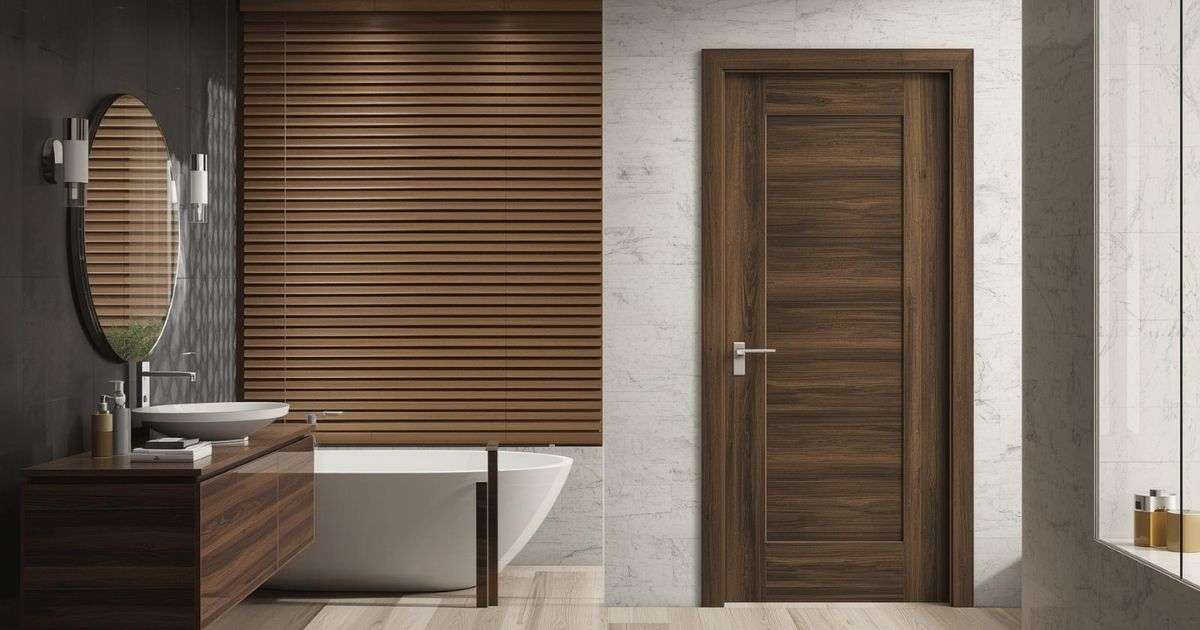
Understanding What WPC Doors Are Made Of and How They Are Manufactured for Modern Interiors
WPC doors are manufactured using a combination of wood fibers and thermoplastic resins. These materials are blended under high heat and pressure to form a dense, uniform composite board. Unlike traditional solid wood, which can expand or contract with environmental changes, WPC maintains dimensional stability.
The manufacturing process generally includes:
- Mixing wood flour and thermoplastic polymers.
- Adding additives to improve UV resistance, strength, and fire performance.
- Extruding or molding the composite into door panels.
- Finishing with laminates, veneers, or paint coatings.
This engineered structure eliminates many natural defects found in timber, such as knots, cracks, and grain inconsistencies. As a result, WPC doors offer consistent quality across batches, making them suitable for large-scale projects.
When exploring different options in wpc doors, it becomes clear that the composite technology allows for precise customization while maintaining structural integrity.
How Wood Plastic Composite Technology Improves Durability and Moisture Resistance
One of the defining advantages of WPC technology is its resistance to moisture. Traditional wooden doors are prone to swelling, warping, and rotting when exposed to humidity. WPC doors, on the other hand, are engineered to withstand high-moisture environments.
Key durability benefits include:
- Resistance to water absorption
- Protection against fungal growth
- Reduced risk of cracking or splitting
- Enhanced structural stability over time
Because plastic polymers encapsulate the wood fibers, water penetration is significantly reduced. This makes WPC doors particularly suitable for bathrooms, kitchens, and laundry areas.
In coastal or high-humidity climates, maintaining door performance can be challenging. However, WPC materials minimize maintenance concerns, as they do not require frequent sealing or chemical treatments.
Key Differences Between WPC Doors and Traditional Wooden Door Materials
Understanding the differences between WPC and traditional wood doors helps homeowners and designers make informed decisions.
Composition
- Wood Doors: Made from natural timber or engineered wood products.
- WPC Doors: Manufactured from wood fibers and thermoplastic polymers.
Moisture Behavior
- Wood Doors: Expand or contract with humidity.
- WPC Doors: Remain dimensionally stable.
Termite Resistance
- Wood Doors: Vulnerable without treatment.
- WPC Doors: Naturally resistant due to composite structure.
Maintenance
- Wood Doors: Require periodic polishing or sealing.
- WPC Doors: Low maintenance with simple cleaning.
Another key distinction lies in consistency. Natural wood offers organic beauty but can vary in grain and density. WPC doors deliver uniform strength and appearance, which is often preferred in contemporary architectural designs.
When comparing material options available across doors dubai, composite solutions often stand out for their balanced performance profile in modern construction environments.
Why WPC Doors Are Suitable for Humid and Coastal Environments
High humidity can be destructive to conventional building materials. In coastal areas, salt-laden air accelerates corrosion and material degradation. WPC doors offer a reliable solution in such environments due to their engineered composition.
Reasons they perform well in humid regions include:
- Minimal water absorption rate
- Resistance to swelling and delamination
- Improved lifespan compared to untreated wood
- Reduced susceptibility to mold and mildew
Additionally, WPC doors do not rust like metal doors, nor do they crack under constant moisture exposure. This makes them practical for residential buildings near the sea, as well as indoor spaces where humidity fluctuates regularly.
For property owners in warm climates, investing in moisture-resistant materials significantly reduces long-term maintenance efforts.
Comparing WPC Doors With Sliding Systems for Space Optimization
Space planning is an essential part of modern interior design. While hinged doors are traditional, sliding door systems are increasingly used to maximize usable floor area.
WPC doors can be integrated into sliding mechanisms, offering both durability and space efficiency. Compared with conventional hinged systems:
- Sliding doors eliminate swing clearance requirements.
- They create seamless transitions between rooms.
- They improve accessibility in compact spaces.
In apartments where optimizing square footage is important, combining WPC panels with sliding systems can enhance both function and style. For example, many homeowners consider options like sliding doors dubai to create flexible living spaces without compromising structural stability.
When deciding between hinged and sliding formats, factors such as room size, ventilation, privacy needs, and aesthetic preferences should be carefully evaluated.
Maintenance Requirements and Long-Term Performance Expectations
One of the strongest advantages of WPC doors is their low maintenance profile. Unlike solid wood, they do not require frequent refinishing or protective coatings.
Basic maintenance typically includes:
- Wiping surfaces with a damp cloth
- Using mild cleaning solutions when necessary
- Inspecting hardware periodically
- Avoiding abrasive cleaners
Because WPC doors are resistant to termites and moisture, long-term structural performance remains stable. Many installations maintain their original shape and finish for years without significant deterioration.
Additionally, surface finishes such as laminates or veneers can be easily refreshed if interior design preferences change over time.
Environmental Impact and Sustainability Advantages of WPC Materials
Sustainability is a growing priority in modern construction. WPC materials contribute to eco-conscious building practices in several ways.
Environmental benefits include:
- Use of recycled plastic content
- Reduction in natural timber consumption
- Lower waste generation during manufacturing
- Long service life reducing replacement frequency
By utilizing wood fibers that may otherwise go to waste and combining them with recycled polymers, WPC production can help minimize deforestation pressures.
Furthermore, the durability of WPC doors means fewer replacements over the building’s lifecycle, which reduces material waste and transportation emissions.
For environmentally aware homeowners, WPC offers a balance between performance and responsible material usage.
Design Versatility and Style Options for Contemporary Homes
Aesthetic flexibility is another reason WPC doors are widely adopted. Advances in finishing technology allow these doors to replicate the appearance of natural wood grains, matte finishes, or even modern solid colors.
Design options may include:
- Smooth contemporary panels
- Textured wood-grain finishes
- Decorative grooves and patterns
- Custom dimensions and thicknesses
Because WPC is easy to machine and shape, manufacturers can produce intricate panel designs that would be more complex or costly with solid timber.
In contemporary homes where minimalism and clean lines dominate, WPC doors integrate seamlessly into interior themes. They also pair well with glass inserts or metal accents, allowing designers to create personalized aesthetics without sacrificing durability.
Conclusion
WPC doors represent a practical evolution in door manufacturing, combining the aesthetic appeal of wood with the durability of engineered materials. Their resistance to moisture, termites, and environmental stress makes them suitable for a wide range of residential and commercial applications.
From humid coastal homes to compact urban apartments, WPC doors provide consistent performance with minimal maintenance requirements. Their sustainability benefits and design versatility further reinforce their growing popularity in modern architecture.
By understanding their composition, advantages, and practical applications, homeowners and designers can make informed decisions that balance durability, functionality, and aesthetics.
FAQs
1. What materials are used in the production of WPC doors?
WPC doors are made from a blend of wood fibers and thermoplastic polymers. Additives are often included to enhance durability, UV resistance, and structural stability.
2. Are WPC doors waterproof and termite resistant?
Yes, WPC doors are highly resistant to moisture and termites. The plastic component in the composite prevents water absorption and discourages pest infestation.
3. How long do WPC doors typically last in residential settings?
With proper installation and minimal maintenance, WPC doors can last for many years without significant warping, cracking, or degradation.
4. Can WPC doors be customized for different interior styles?
Yes, they are available in various finishes, textures, and panel designs. They can be manufactured to match contemporary, traditional, or minimalist interior themes.
5. Are WPC doors suitable for bathrooms and kitchens?
Due to their moisture resistance and dimensional stability, WPC doors are particularly well-suited for high-humidity areas such as bathrooms and kitchens.