
Fire safety is a fundamental consideration in modern building design. Whether in residential complexes, office towers, hospitals, or industrial facilities, passive fire protection systems play a crucial role in saving lives and reducing property damage. Among these systems, fire-rated doors are one of the most important components, helping to compartmentalize fire and smoke while allowing safe evacuation.
Aluminium fire rated doors have become increasingly popular due to their durability, sleek appearance, and strong fire-resistance capabilities. Understanding how they work, their benefits, and how they compare to other materials can help property owners and designers make informed decisions that prioritize safety and compliance.
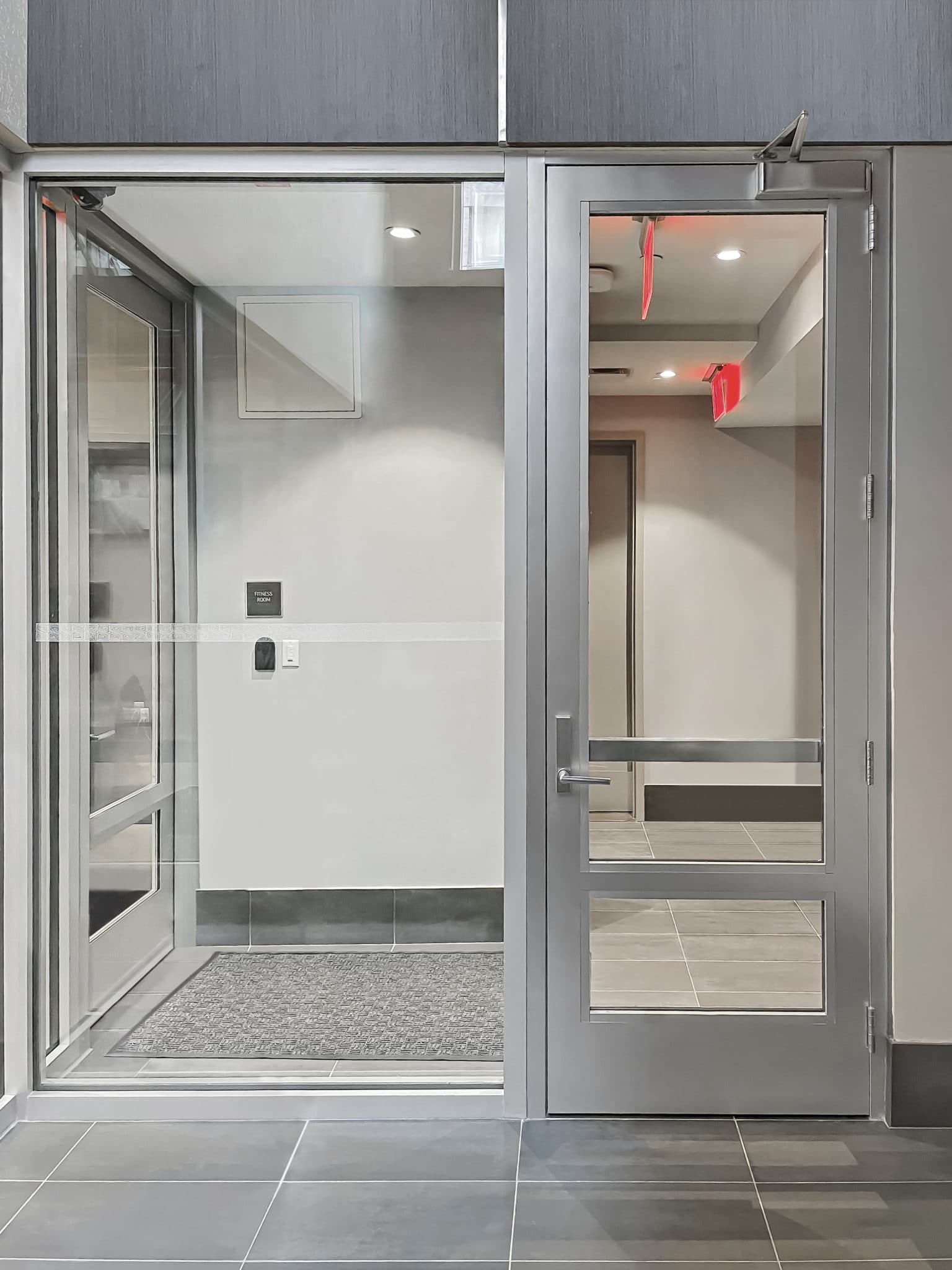
What Are Aluminium Fire Rated Doors and How Do They Work in Buildings
Aluminium fire rated doors are specially engineered door systems designed to resist fire and smoke for a specified period of time. Unlike standard doors, they are constructed using fire-resistant cores, reinforced aluminium frames, and intumescent seals that expand when exposed to high temperatures.
These doors function as part of a building’s passive fire protection strategy. When a fire breaks out:
- The door automatically closes (if connected to a self-closing system).
- Intumescent strips expand to seal gaps around the frame.
- The fire-resistant core slows the spread of flames and heat.
- Smoke seals limit the movement of toxic gases between compartments.
By containing fire within a defined space, these doors create safe evacuation routes and provide emergency responders with valuable time to control the situation.
Many modern buildings incorporate aluminium fire rated doors because aluminium offers structural stability without excessive weight. This makes the doors easier to operate while maintaining strong performance under extreme heat conditions.
How Fire Resistance Ratings Are Tested and Certified for Safety Compliance
Fire resistance ratings indicate how long a door can withstand fire exposure under standardized test conditions. Common ratings include 30, 60, 90, or 120 minutes.
During testing, doors are exposed to controlled fire conditions in specialized furnaces. The evaluation measures:
- Structural integrity: Does the door remain intact?
- Insulation performance: How much heat passes through?
- Smoke control: Are gaps allowing dangerous fumes to escape?
Certification bodies conduct these tests according to international standards. Only doors that meet strict criteria receive official fire ratings. It is important to note that:
- The entire assembly must be tested, including frame, glazing (if present), seals, and hardware.
- Substituting components may invalidate the rating.
- Proper installation is essential to maintain certified performance.
Building inspectors often verify compliance before occupancy approvals are granted.
Key Benefits of Using Fire Rated Aluminium Doors in Commercial Spaces
Aluminium fire rated doors offer a combination of safety, durability, and aesthetic versatility. Their advantages are particularly evident in commercial and high-traffic environments.
1. High Strength-to-Weight Ratio
Aluminium provides structural rigidity without excessive bulk. This makes large door panels easier to operate while maintaining resistance to deformation during heat exposure.
2. Corrosion Resistance
Unlike some metals, aluminium resists corrosion, making it suitable for humid or coastal climates. This helps maintain long-term performance without frequent replacement.
3. Modern Architectural Appeal
Aluminium frames allow slimmer profiles and larger glazing areas compared to traditional steel options. This enables:
- Increased natural light
- Improved visibility in corridors
- Cleaner, contemporary design aesthetics
4. Low Maintenance Requirements
Routine inspection and occasional cleaning are generally sufficient. Aluminium does not rust, warp, or crack easily under normal conditions.
5. Integration with Other Systems
Fire rated doors can be integrated with:
- Access control systems
- Panic hardware
- Smoke detectors
- Automatic closing mechanisms
This makes them highly adaptable for commercial buildings, schools, and healthcare facilities.
Differences Between Aluminium and Steel Fire Rated Door Systems
Both aluminium and steel are commonly used in fire-rated door construction, but they differ in several important ways.
Material Weight and Handling
Steel doors are typically heavier, which may require stronger hinges and additional structural support. Aluminium doors are lighter, reducing strain on hardware and improving usability.
Aesthetic Flexibility
Aluminium frames often allow slimmer profiles and can accommodate larger glass panels. Steel doors may appear bulkier, though they offer a traditional industrial look.
Corrosion Resistance
While steel can be galvanized or coated, it remains more vulnerable to corrosion over time if protective layers are damaged. Aluminium naturally resists corrosion.
Thermal Conductivity
Both materials conduct heat, but fire-rated assemblies are designed with insulated cores to mitigate heat transfer. Performance ultimately depends on the full system design rather than the surface material alone.
The choice between materials often depends on project requirements, environmental conditions, and design priorities.
Where Fire Rated Doors Are Commonly Installed in Modern Architecture
Fire rated doors are strategically placed to create fire compartments and protect evacuation routes. Common installation areas include:
- Stairwells
- Elevator lobbies
- Corridors
- Server rooms
- Electrical rooms
- Parking garages
In mixed-use developments, they may also separate commercial and residential zones. In some designs, fire-rated doors are integrated into visually open layouts that may include elements such as a folding glass door, ensuring that openness does not compromise fire safety.
Parking structures and storage areas sometimes require reinforced fire-rated systems alongside large access points like a garage door dubai, depending on local building codes. In these scenarios, fire-rated doors help isolate vehicle-related fire risks from other sections of the property.
The key principle is compartmentalization: limiting the spread of fire and smoke from one area to another.
Maintenance Practices That Help Preserve Fire Door Performance
Even the most robust fire rated door will fail if not properly maintained. Regular inspections are essential to ensure ongoing compliance and safety.
Routine Inspection Checklist
- Check that the door closes fully without obstruction.
- Inspect seals for damage or wear.
- Verify that hinges and hardware are secure.
- Ensure that no unauthorized modifications have been made.
- Confirm that glazing (if present) is intact and undamaged.
Cleaning and Surface Care
- Use non-abrasive cleaning agents.
- Avoid harsh chemicals that may degrade seals.
- Wipe down frames and hardware regularly.
Professional Servicing
Annual inspections by qualified technicians are recommended. They can identify subtle issues such as misalignment or hardware fatigue that may compromise performance in an emergency.
Maintenance records should be documented for compliance purposes, especially in commercial buildings subject to safety audits.
Understanding Building Regulations Related to Fire Safety Doors
Building regulations specify where fire rated doors must be installed and what performance levels are required. These regulations vary by region but generally address:
- Minimum fire resistance duration
- Approved installation methods
- Required hardware specifications
- Inspection and certification requirements
Failure to comply with regulations can result in legal penalties, insurance complications, and increased safety risks.
Architects and building managers must coordinate with fire safety consultants to ensure:
- Correct door ratings are selected.
- Installation follows manufacturer guidelines.
- All documentation is retained for review.
- Doors remain unobstructed and functional at all times.
Regulatory frameworks aim to standardize fire protection measures and minimize preventable damage.
Conclusion
Aluminium fire rated doors serve a critical role in modern building safety. By containing fire and smoke for specified periods, they protect occupants, safeguard property, and support emergency response efforts. Their strength-to-weight ratio, corrosion resistance, and design flexibility make them a practical solution for a wide range of environments.
However, their effectiveness depends not only on material quality but also on certified testing, proper installation, and ongoing maintenance. When integrated thoughtfully into architectural design and regulatory planning, these doors become a reliable cornerstone of passive fire protection systems.
FAQs
1. What makes aluminium fire rated doors fire resistant?
They are constructed with fire-resistant cores, reinforced frames, and intumescent seals that expand under high temperatures. These components work together to contain flames and smoke for a certified duration.
2. How long can fire rated doors withstand high temperatures?
Depending on their rating, they can resist fire for 30, 60, 90, or even 120 minutes under standardized test conditions.
3. Are aluminium fire doors suitable for residential properties?
Yes, they are commonly used in apartment buildings, stairwells, and shared corridors where fire compartmentalization is required by building codes.
4. How often should fire rated doors be inspected?
Routine visual checks should be conducted regularly, with professional inspections typically recommended at least once a year in commercial buildings.
5. Do fire rated doors require special installation methods?
Yes, they must be installed according to certified assembly guidelines. Improper installation can compromise their fire resistance and invalidate certification.