
A door is one of the most essential architectural elements in any interior space. Beyond simply dividing rooms, it plays a key role in privacy, security, sound control, and overall design harmony. Whether in a home, office, or hospitality setting, selecting the right interior door involves understanding both functional and aesthetic considerations.
When choosing a room door, it is important to evaluate materials, design styles, safety requirements, and spatial constraints. The right choice can enhance natural light flow, improve acoustic comfort, and contribute to a cohesive interior theme. This guide explores everything you need to know to make an informed decision.
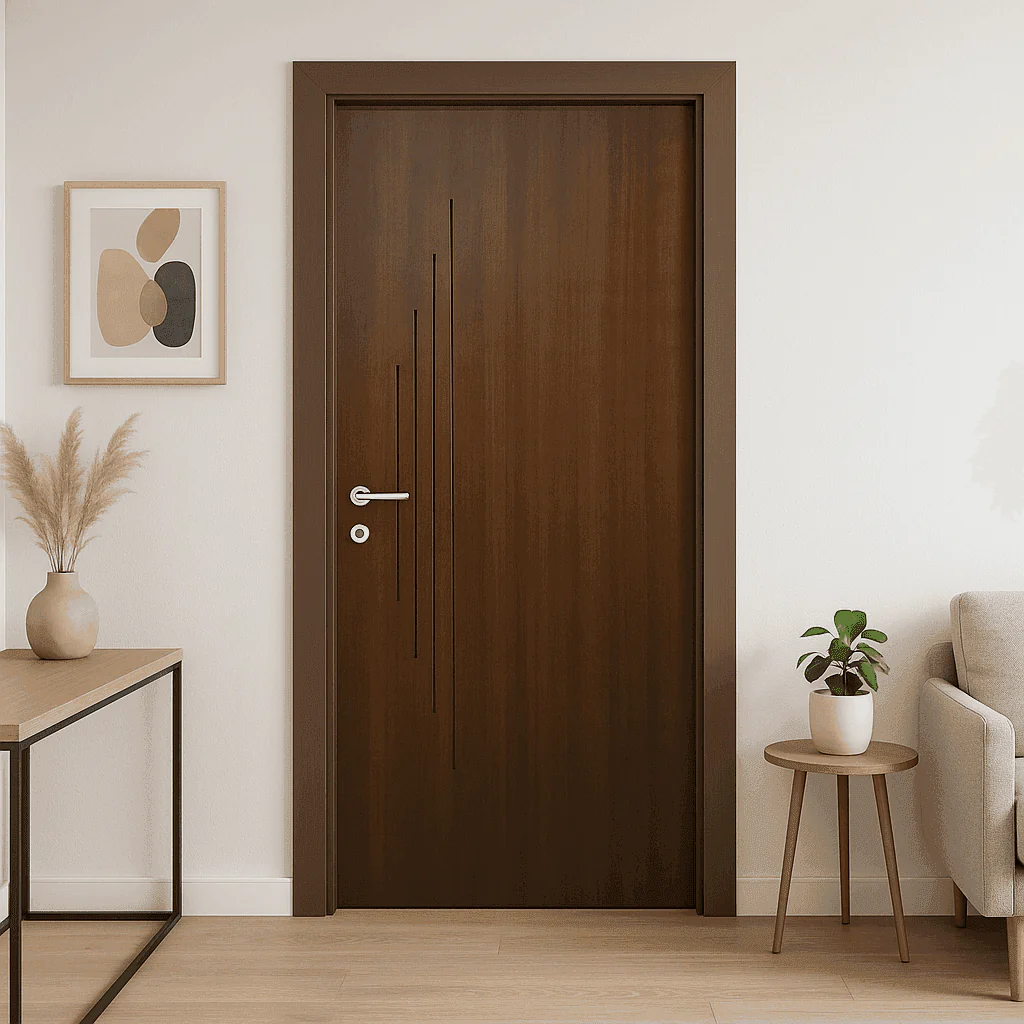
What Is a Room Door and Why It Matters in Interior Design
A room door is an interior barrier designed to separate spaces within a building. Unlike exterior doors, which focus primarily on weather resistance and security, interior doors balance functionality with aesthetics.
From a design perspective, doors influence:
- Visual continuity between rooms
- The perception of space and openness
- Acoustic comfort and privacy
- Light distribution across interiors
For example, solid core doors are often chosen for bedrooms and offices to minimize noise transfer, while glazed doors may be preferred in living areas to maintain brightness and openness.
Interior designers frequently treat doors as architectural accents. The finish, color, panel style, and hardware selection can either subtly blend into the background or serve as a defining visual feature. In modern interiors, minimalist flush doors are popular, whereas traditional homes may incorporate panel or carved designs.
Different Types of Room Doors for Modern Homes
Modern homes offer a wide variety of door types tailored to specific spatial and functional needs. Understanding these types can help homeowners make informed decisions.
Common Interior Door Types
- Hinged Doors
- The most traditional type
- Simple installation and operation
- Suitable for most standard rooms
- Sliding Doors
- Move horizontally along a track
- Ideal for saving space
- Often used for closets or partitions
- Bi-Fold Doors
- Fold into sections when opened
- Useful for closets and storage areas
- Pivot Doors
- Rotate on a pivot hinge system
- Popular in contemporary designs
Each type offers unique benefits depending on the layout and intended use. For compact spaces, sliding systems provide a practical alternative to traditional hinged doors.
How Pocket Door Systems Maximize Small Spaces Efficiently
In compact homes or apartments, space efficiency becomes a priority. This is where pocket doors provide a practical solution. Instead of swinging open, these doors slide into a concealed wall cavity, eliminating the need for clearance space.
Advantages of Pocket Door Systems
- Maximize usable floor area
- Improve furniture placement flexibility
- Create seamless transitions between rooms
- Offer a clean and minimalist appearance
Pocket doors are particularly useful in:
- Bathrooms
- Walk-in closets
- Home offices
- Small bedrooms
However, installation requires careful planning. The wall must accommodate a cavity for the sliding mechanism, and structural considerations must be addressed during construction or renovation.
Understanding Fire Rated Aluminium Doors for Safety Compliance
Safety is an essential factor in certain environments, especially in multi-story buildings or commercial spaces. Fire rated aluminium doors are specifically engineered to resist fire and prevent the spread of smoke for a specified duration.
Key Characteristics
- Constructed with fire-resistant cores
- Designed to withstand high temperatures
- Tested under regulated fire conditions
- Often required by building codes in specific areas
These doors are commonly installed in:
- Stairwells
- Utility rooms
- Corridors
- Kitchens
Aluminium offers durability and structural integrity while maintaining a modern aesthetic. Fire-rated models are available in different time ratings, such as 30, 60, or 90 minutes, depending on safety requirements.
Understanding local building regulations is crucial when specifying fire-resistant doors. Compliance ensures occupant safety and structural integrity in emergencies.
Materials Commonly Used in Interior Door Construction
Material selection significantly impacts durability, appearance, and performance. Interior doors are commonly manufactured from various core and surface materials.
Solid Wood
- Natural and durable
- Excellent acoustic insulation
- Can be refinished multiple times
Engineered Wood (MDF or HDF)
- Cost-effective and stable
- Resistant to warping
- Smooth surface for painting
Hollow Core
- Lightweight
- Budget-friendly
- Limited sound insulation
Aluminium and Glass
- Contemporary appeal
- Durable and corrosion-resistant
- Ideal for modern spaces
Each material serves different needs. For instance, solid wood offers superior sound insulation, while engineered options provide stability in humid environments.
Acoustic and Thermal Benefits of Quality Door Installations
Interior doors contribute to both acoustic and thermal control within a building.
Acoustic Benefits
- Reduce noise transmission between rooms
- Improve privacy in bedrooms and offices
- Enhance concentration in workspaces
Solid core doors, proper sealing, and high-quality hardware can significantly improve sound insulation.
Thermal Benefits
- Maintain temperature consistency
- Improve energy efficiency
- Minimize air leakage
Although interior doors do not face external weather conditions, they help manage air circulation within climate-controlled environments.
Standard Door Sizes and Installation Considerations
Choosing the correct size is essential for proper functionality and appearance.
Standard Interior Door Dimensions
- Width: Typically 28 to 36 inches
- Height: Usually 80 inches
- Thickness: Approximately 1⅜ inches
Before installation, consider:
- Wall thickness
- Frame alignment
- Swing direction
- Clearance space
Accurate measurements prevent operational issues and ensure a seamless fit. Professional installation may be beneficial for specialized systems such as sliding or fire-rated doors.
Maintenance Tips to Extend the Lifespan of Interior Doors
Proper maintenance ensures durability and consistent performance over time.
Routine Maintenance Checklist
- Clean surfaces regularly with a mild cloth
- Inspect hinges and hardware for looseness
- Lubricate moving parts annually
- Check seals for wear or gaps
For wooden doors:
- Avoid excessive moisture exposure
- Refinish surfaces if scratches appear
For aluminium doors:
- Wipe with non-abrasive cleaners
- Inspect tracks in sliding systems
Preventative maintenance minimizes long-term wear and maintains both functionality and appearance.
Conclusion
A well-chosen interior door enhances privacy, safety, and design cohesion within any space. From traditional hinged models to space-saving sliding systems, each option serves a unique purpose. Material selection, safety compliance, acoustic performance, and installation quality all influence the overall effectiveness of a door.
Understanding these factors allows homeowners and designers to make informed decisions that balance aesthetics with practicality. With careful planning and maintenance, interior doors can remain functional and visually appealing for many years.
FAQs
1. What is the standard size of a room door?
Most interior doors are approximately 80 inches in height and range from 28 to 36 inches in width. However, dimensions can vary depending on architectural design and regional standards.
2. How do pocket doors save space in small rooms?
Pocket doors slide into a concealed wall cavity instead of swinging outward, eliminating the need for clearance space and maximizing usable floor area.
3. Are aluminium doors suitable for bedrooms?
Aluminium doors can be used in bedrooms, especially in modern designs. However, solid core wooden doors typically provide better acoustic insulation for sleeping areas.
4. What makes a door fire rated?
A fire-rated door is constructed with materials designed to resist fire and smoke for a specified period. It undergoes controlled testing to ensure compliance with safety standards.
5. How do I maintain interior doors properly?
Regular cleaning, hinge inspection, lubrication of moving parts, and protection from moisture are key steps in maintaining interior doors and extending their lifespan.