
Wood sliding doors have become a defining feature in modern interior design. They combine functionality with natural warmth, making them a practical solution for homes that prioritize both aesthetics and space efficiency. Unlike traditional hinged doors, sliding doors operate along a track system, allowing them to glide horizontally rather than swing open.
Understanding how wood sliding doors function, where they work best, and how they compare with other door types can help homeowners make informed design decisions. This guide explores their mechanisms, benefits, structural considerations, and maintenance requirements in detail.
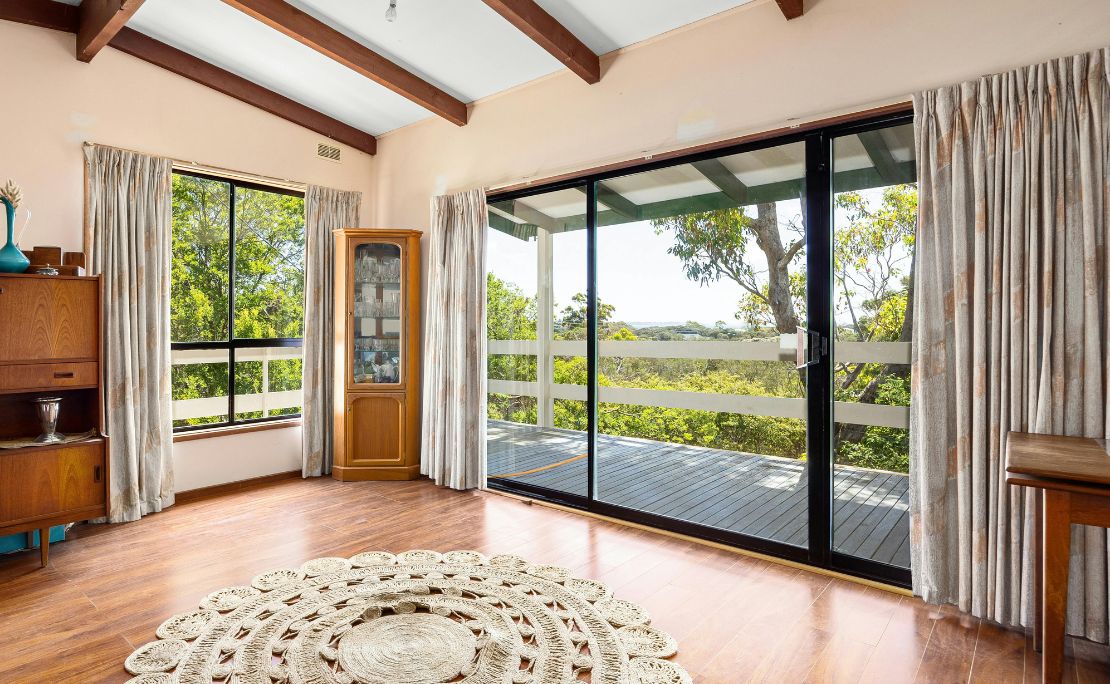
What Is a Wood Sliding Door and How Does It Function
A wood sliding door is a door panel made primarily from solid or engineered wood that moves horizontally along a track system. Instead of requiring floor clearance for a swinging arc, it slides either along the wall surface or into a concealed wall cavity (pocket system).
A wood sliding door typically operates through the following components:
- Top-mounted track system that guides the door
- Roller mechanism for smooth movement
- Bottom guide for stability
- Soft-close or stopper systems to prevent slamming
There are two common configurations:
- Surface-mounted sliding doors (barn-style)
Visible hardware and rails mounted above the doorway. - Pocket sliding doors
Doors that slide into a hidden cavity within the wall.
These systems are particularly beneficial in compact layouts where maximizing usable floor space is essential.
Advantages of Sliding Mechanisms Over Hinged Doors
Sliding doors offer several functional advantages compared to traditional hinged doors.
1. Space Efficiency
Because they do not swing outward, sliding doors eliminate the need for clearance space, making them ideal for small rooms, corridors, and bathrooms.
2. Flexible Room Division
Sliding doors can create adaptable spaces by separating or connecting areas as needed.
3. Smooth and Quiet Operation
Modern track systems are engineered for low-friction movement and minimal noise.
4. Contemporary Appeal
The horizontal glide of a sliding door introduces a modern architectural element that complements open-plan homes.
5. Improved Accessibility
Sliding doors can be easier to operate in tight spaces or for individuals with mobility limitations.
In comparison to traditional hinged doors, sliding systems prioritize practicality and spatial optimization without compromising on visual appeal.
Space Optimization Benefits in Modern Interior Layouts
In contemporary residential design, efficient use of space is a primary concern. Sliding doors contribute significantly to this objective.
Maximizing Floor Area
In small apartments or compact rooms, even the clearance area of a swinging door can impact furniture placement. Sliding systems remove this limitation.
Enhancing Open-Plan Living
Wood sliding doors allow homeowners to:
- Separate living and dining areas when needed
- Close off home offices for privacy
- Maintain airflow while defining spaces
Creating Visual Flow
Because the door aligns parallel to the wall, it maintains a streamlined look that does not interrupt interior flow.
Practical Example
Consider a bedroom with limited space near the entrance. A hinged door might block furniture placement, while a sliding door allows full use of wall and floor space.
This spatial efficiency is one of the primary reasons sliding doors continue to grow in popularity.
Material Comparison Between Wood and Glass Options
While wood sliding doors are popular, some homeowners also consider alternatives such as glass doors. Each material offers distinct advantages.
Wood Sliding Doors
Advantages:
- Natural warmth and texture
- Strong sound insulation
- Greater privacy
- Versatility in finishes and stains
Considerations:
- May expand or contract in extreme humidity
- Requires occasional surface maintenance
Glass Doors
Advantages:
- Enhanced light transmission
- Modern and minimal aesthetic
- Visually expands small spaces
Considerations:
- Less acoustic insulation
- May require frequent cleaning
When selecting between wood and glass, consider:
- Privacy requirements
- Lighting needs
- Overall interior style
- Desired maintenance level
Wood remains a preferred choice for bedrooms, offices, and areas requiring acoustic separation.
Common Installation Considerations and Structural Support Needs
Proper installation is critical for ensuring smooth functionality and long-term durability.
1. Wall Strength and Support
Sliding systems require a secure mounting surface. The track must be anchored into wall studs or reinforced framing to support the door’s weight.
2. Door Weight
Solid wood doors are heavier than hollow-core options. The track system must be rated for the appropriate load capacity.
3. Track Alignment
Precise leveling ensures smooth operation and prevents uneven sliding.
4. Floor Clearance
Even surface-mounted systems require adequate clearance between the door and floor to avoid scraping.
5. Pocket Door Framing
For pocket systems, the wall must accommodate the recessed cavity, which may require structural adjustments during construction or renovation.
Professional installation reduces the risk of misalignment, noise, and premature hardware wear.
Sound Insulation and Privacy Performance Explained
One major advantage of wooden sliding doors is their acoustic performance.
Why Wood Provides Better Sound Control
Wood is denser than glass and many lightweight materials, which allows it to:
- Reduce sound transmission between rooms
- Minimize echo
- Provide greater privacy in shared spaces
Factors Affecting Acoustic Performance
- Door thickness
- Seal quality
- Gap clearance between door and wall
- Installation precision
While sliding doors may not seal as tightly as hinged doors, additional brush seals or soft-close mechanisms can enhance insulation.
For spaces like home offices or bedrooms, wood sliding doors offer a balance between privacy and practicality.
Maintenance Tips to Extend Door Lifespan
Proper care ensures that sliding doors function smoothly for years.
Routine Maintenance
- Wipe down wooden surfaces with a dry or slightly damp cloth
- Avoid harsh chemical cleaners
- Dust tracks regularly to prevent debris buildup
Track Care
- Vacuum track grooves weekly
- Inspect rollers for wear
- Apply recommended lubricants if necessary
Protecting the Wood Surface
- Use protective finishes or sealants
- Avoid prolonged exposure to moisture
- Maintain consistent indoor humidity levels
Regular inspection of hardware components such as rollers and stoppers helps prevent operational issues.
Understanding Door Applications in Residential Settings
Wood sliding doors are highly versatile and can be used in multiple areas of a home.
Bedroom Entrances
Provide privacy while saving floor space.
Home Offices
Allow flexible separation of work areas without permanent walls.
Closet Doors
Offer easy access without obstructing surrounding space.
Kitchen Partitions
Separate cooking areas while maintaining visual continuity.
Garage Access Points
In certain residential designs, sliding systems may complement adjacent entryways, especially in homes incorporating modern structural layouts similar to those featuring garage doors dubai.
Their adaptability makes them suitable for both compact apartments and spacious contemporary homes.
Conclusion
Choosing the right wood sliding door involves more than selecting a style. It requires understanding space constraints, structural needs, acoustic expectations, and maintenance requirements. Wood sliding doors offer natural beauty, functional efficiency, and strong privacy performance, making them a reliable choice for many residential applications.
By carefully evaluating installation conditions and material characteristics, homeowners can integrate sliding systems that enhance both practicality and interior design harmony.
FAQs
1. Are sliding doors suitable for small rooms?
Yes, sliding doors are ideal for small rooms because they eliminate the need for swing clearance, maximizing usable floor space.
2. How durable are wooden sliding doors?
With proper installation and maintenance, wooden sliding doors can remain structurally sound and functional for many years.
3. Do sliding systems require special wall support?
Yes, the track system must be securely anchored into studs or reinforced framing to support the door’s weight.
4. How do glass and wood doors compare in insulation?
Wood generally provides better sound insulation, while glass allows more light transmission but offers less acoustic privacy.
5. What maintenance is required for sliding tracks?
Tracks should be cleaned regularly to remove dust and debris, and rollers should be inspected periodically to ensure smooth operation.