
Room doors are more than simple entry points between spaces. They influence privacy, noise control, interior aesthetics, and even the overall flow of a home. Selecting the right door requires understanding materials, functionality, layout considerations, and design harmony within the interior environment.
Whether building a new home or renovating an existing one, choosing suitable room doors involves balancing performance with appearance. This guide explores essential considerations to help homeowners make informed decisions based purely on practical and design factors.
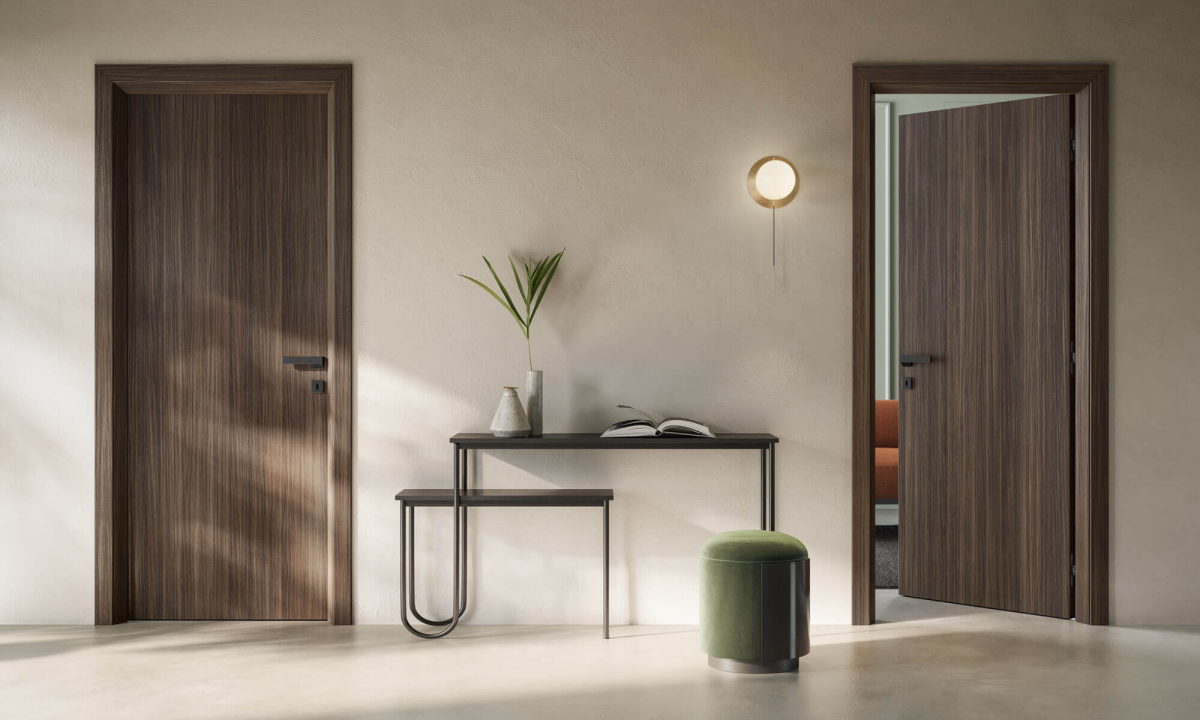
What Are Room Doors and How Do They Impact Privacy and Functionality
Room doors are interior doors installed within a home to separate different living areas such as bedrooms, bathrooms, home offices, and storage rooms. Unlike exterior doors, their primary functions focus on privacy, sound reduction, and visual separation rather than security against outdoor elements.
Well-chosen room doors can significantly enhance daily comfort by:
- Providing acoustic separation between spaces
- Allowing controlled access to private areas
- Supporting energy efficiency within air-conditioned rooms
- Enhancing interior design cohesion
In homes with open layouts, doors can create flexible zones. For example, a study room may remain open during the day for spaciousness and closed during meetings for quiet concentration.
Door thickness, core material, and installation quality all influence functionality. A poorly fitted door may compromise privacy due to sound leakage or visible gaps. Therefore, attention to detail during selection and installation is crucial.
Key Differences Between Room Doors and Main Entrance Doors Explained
Interior room doors differ significantly from main entrance doors in construction and purpose.
Structural Differences
- Room doors are generally lighter in weight.
- Entrance doors have reinforced cores for security.
- Exterior doors include weather sealing systems.
A main entry door such as a typical front door dubai is designed to withstand environmental exposure, including heat, dust, and humidity. Interior room doors do not require the same level of weather resistance.
Functional Differences
- Room doors prioritize privacy and sound control.
- Entrance doors emphasize security and insulation from external elements.
- Interior doors allow greater design flexibility in style and finish.
Understanding these differences helps homeowners avoid choosing overly heavy or overly lightweight doors for the wrong application.
Materials Commonly Used in Room Door Manufacturing and Their Benefits
The material of a room door determines its durability, weight, soundproofing ability, and maintenance requirements.
Solid Wood
- Excellent sound insulation
- Long lifespan
- Natural aesthetic appeal
Engineered Wood (MDF or Veneered Core)
- Stable in varying humidity
- Cost-effective
- Smooth surface for painting
Hollow Core Doors
- Lightweight
- Budget-friendly
- Easy to install
Glass Panel Inserts
- Allow natural light flow
- Enhance visual openness
- Suitable for living rooms or home offices
Each material serves a different purpose. Bedrooms may benefit from solid or engineered wood for better sound insulation, while living areas might use glass-panel designs to allow light transmission.
When selecting material, consider:
- Room function
- Noise control needs
- Moisture exposure
- Design preferences
How Door Design Influences Natural Light and Interior Aesthetics
Door design plays a significant role in shaping the atmosphere of a home. While walls define structure, doors refine transitions between spaces.
Impact on Natural Light
- Full-panel doors block light completely.
- Frosted glass panels allow light while preserving privacy.
- Clear glass panels create a seamless, open feel.
In smaller homes, using partial glass panels can make spaces feel larger without removing physical separation.
Aesthetic Integration
Door style should complement:
- Flooring material
- Wall color palette
- Cabinet finishes
- Architectural details
For minimalist interiors, flush doors with clean lines often work best. Traditional interiors may feature panel designs with subtle detailing.
Door hardware also contributes to the overall look. Handles, hinges, and finishes should align with other metal elements in the home.
Space-Saving Door Solutions for Compact Living Areas
In homes where space is limited, door type can influence how efficiently a room functions.
Sliding Doors
- Move along a track
- Do not require swing clearance
- Suitable for closets and small bedrooms
Pocket Doors
- Slide into the wall cavity
- Maximize usable floor area
- Ideal for bathrooms and offices
Folding Options
An accordion door is another space-efficient solution. It folds neatly to one side, making it practical for closets, storage areas, or flexible partitions between rooms.
Bi-Fold Doors
- Common for wardrobes
- Easy to operate
- Space-conscious
When choosing space-saving doors, consider wall structure and available track installation area. Proper measurement ensures smooth operation and prevents obstruction.
Soundproofing and Insulation Considerations for Bedroom Doors
Bedrooms require privacy and quiet for restful sleep. The construction of a room door significantly affects acoustic performance.
Factors Influencing Sound Insulation
- Door thickness
- Core material (solid vs hollow)
- Seal quality around frame
- Door sweep installation
Solid-core doors typically offer better sound insulation than hollow-core alternatives. Adding rubber seals around the frame can reduce sound gaps.
For improved acoustic performance:
- Choose a heavier door.
- Ensure proper frame alignment.
- Install weatherstripping if needed.
- Avoid large gaps beneath the door.
Thermal insulation within interior spaces can also help maintain temperature balance, especially in air-conditioned homes where rooms may be cooled individually.
Maintenance Tips to Extend the Lifespan of Interior Room Doors
Proper care ensures long-term functionality and visual appeal.
Cleaning
- Wipe with a soft, damp cloth.
- Avoid abrasive cleaners.
- Remove dust around hinges and edges.
Inspecting Hardware
- Tighten loose screws.
- Lubricate hinges periodically.
- Check handle mechanisms for smooth operation.
Surface Care
- Repaint or refinish if scratches appear.
- Protect wooden surfaces from prolonged moisture exposure.
- Avoid slamming doors to preserve structural integrity.
Routine maintenance prevents long-term damage and keeps doors functioning smoothly.
Common Mistakes to Avoid When Selecting Room Doors for Renovations
Renovations often involve replacing old doors with updated designs. However, certain mistakes can compromise both functionality and aesthetics.
Choosing Based on Appearance Alone
While visual appeal matters, ignoring material quality may result in poor sound insulation or reduced durability.
Ignoring Door Swing Direction
Improper swing direction can block furniture placement or restrict movement within the room.
Overlooking Frame Compatibility
New doors must align with existing frames. Incorrect sizing can cause alignment issues and air gaps.
Forgetting Long-Term Maintenance
High-gloss finishes may require more frequent cleaning. Consider practicality alongside design.
Not Considering Room Function
A bathroom door requires moisture resistance, while a bedroom door prioritizes sound insulation.
By evaluating these factors in advance, homeowners can avoid unnecessary adjustments later.
Conclusion
Choosing the right room doors for a home involves more than selecting a design that looks appealing. Material, sound insulation, spatial efficiency, durability, and functionality all play essential roles in determining long-term satisfaction.
Understanding the differences between interior and exterior doors, evaluating space-saving options, and considering acoustic needs ensures that each room serves its intended purpose effectively. With careful planning and thoughtful selection, room doors can enhance both the practicality and aesthetic harmony of a living space.
FAQs
1. What is the ideal material for bedroom doors?
Solid-core or engineered wood doors are ideal for bedrooms because they provide better sound insulation and durability compared to hollow-core options.
2. How do room doors differ from entry doors?
Room doors focus on privacy and interior separation, while entry doors emphasize security, weather resistance, and structural reinforcement.
3. Are folding doors suitable for small rooms?
Yes, folding and sliding doors are effective for compact spaces because they reduce the need for swing clearance.
4. How can room doors improve sound insulation?
Choosing thicker solid-core doors and ensuring proper sealing around the frame significantly reduces sound transmission.
5. What design styles work best for modern interiors?
Flush doors with minimal detailing and neutral finishes often complement modern interiors, creating a clean and cohesive appearance.