
Sliding barn doors have evolved from traditional agricultural structures into a popular interior design feature. Their combination of functionality and visual appeal makes them a preferred choice for homeowners seeking space-saving solutions with distinctive character. However, choosing the right sliding barn door requires careful consideration of materials, space requirements, design compatibility, and long-term maintenance.
Understanding how these doors function and what factors influence performance can help ensure they serve both practical and aesthetic purposes. From installation planning to daily use, every detail contributes to achieving a smooth and efficient door system.
What Is a Sliding Barn Door and How Does It Function
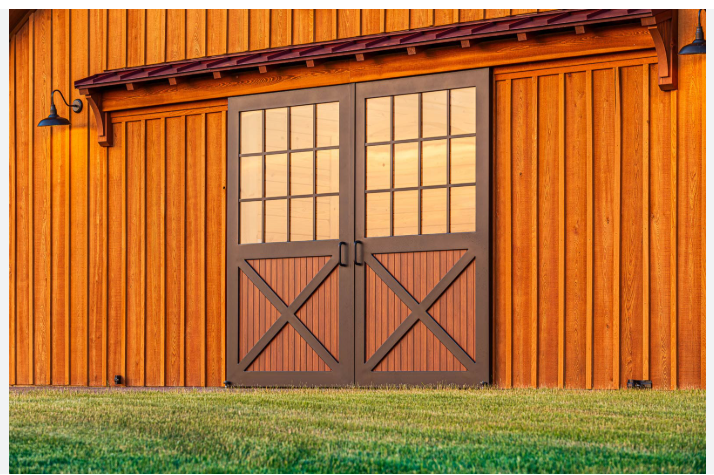
A sliding barn door is a door panel mounted on a track system that allows it to slide horizontally along a wall instead of swinging open on hinges. Unlike traditional hinged doors, it does not require clearance space for an arc of movement, making it ideal for areas where space is limited.
The basic components of a sliding barn door system include:
- A solid door panel
- A top-mounted track
- Rollers or hangers attached to the panel
- Floor guides for stability
- Stops to prevent over-sliding
When opened, the door glides along the track and rests parallel to the wall. When closed, it covers the doorway opening securely. Many homeowners explore options such as a sliding barn door to achieve both functional efficiency and visual impact within modern interiors.
Because the mechanism relies on gravity and track alignment, proper installation is essential for safe and smooth operation.
Materials Commonly Used in Barn Style Sliding Doors Explained
The material of the door significantly influences durability, sound control, appearance, and maintenance needs. Several materials are commonly used in sliding barn door construction.
Solid Wood
Solid wood remains a traditional and popular option. It offers:
- Natural grain patterns
- Strong durability
- Customizable finishes
However, solid wood can expand or contract with humidity changes, requiring stable indoor conditions.
Engineered Wood
Engineered wood products provide improved dimensional stability. They are often more affordable and less prone to warping than solid wood.
Glass and Metal Combinations
Some designs incorporate frosted or clear glass panels framed in metal. These are suitable for:
- Allowing natural light between rooms
- Maintaining visual separation
- Creating contemporary aesthetics
Composite and PVC Materials
In moisture-prone areas, composite or PVC-based materials may be considered. While sliding barn doors are often made of wood, related interior solutions like pvc doors demonstrate how synthetic materials can perform well in humid environments such as bathrooms.
Selecting the right material depends on room function, humidity levels, and desired design style.
Space Saving Advantages of Installing Sliding Barn Doors
One of the primary reasons homeowners choose sliding barn doors is their ability to maximize usable space. Traditional hinged doors require floor area to accommodate the swing radius, which can limit furniture placement.
Sliding barn doors offer several spatial advantages:
- No swing clearance required
- Efficient use of narrow hallways
- Improved layout flexibility
- Suitable for small apartments and studios
They are especially practical in:
- Closets
- Laundry rooms
- Home offices
- Bathrooms
- Pantry entrances
In open-plan homes, sliding barn doors can create temporary privacy without permanently dividing spaces. When opened, they maintain visual continuity; when closed, they provide separation without sacrificing square footage.
However, sufficient wall space must exist beside the doorway to accommodate the full width of the sliding panel.
Design Styles That Complement Modern and Rustic Interiors
Sliding barn doors are versatile design elements that can complement a variety of interior styles.
Rustic and Farmhouse
- Distressed wood finishes
- Cross-brace patterns
- Black iron hardware
- Natural textures
These styles evoke traditional barn aesthetics and pair well with exposed beams or brick walls.
Modern Minimalist
- Flat panel designs
- Neutral colors
- Slim metal frames
- Frosted glass inserts
These options align with clean lines and uncluttered interiors.
Industrial
- Steel accents
- Dark finishes
- Visible hardware components
- Combination of metal and reclaimed wood
Contemporary Urban
In urban residences, sliding barn doors can function as statement pieces. In entryways, they may serve as transitional features connecting to the main entrance door dubai area, enhancing visual cohesion between interior and exterior design elements.
Matching hardware finishes with lighting fixtures and cabinet handles helps maintain a unified aesthetic throughout the home.
Installation Considerations for Proper Alignment and Safety
Correct installation is critical for long-term performance and safety. A poorly installed sliding barn door can derail, jam, or create uneven gaps.
Step-by-Step Installation Overview
- Measure the doorway opening precisely.
- Ensure adequate wall space for the full door width.
- Locate wall studs or use structural reinforcement for track mounting.
- Install the track perfectly level.
- Attach rollers securely to the door panel.
- Install floor guides to prevent lateral movement.
- Test alignment and sliding motion before final adjustments.
Safety Factors
- Use high-quality hardware rated for the door’s weight.
- Ensure children cannot hang on the door or track.
- Install soft-close mechanisms if possible.
- Secure floor guides to prevent swinging.
Professional installation is often recommended, particularly for heavy or oversized panels.
Comparing Sliding Barn Doors with Traditional Hinged Doors
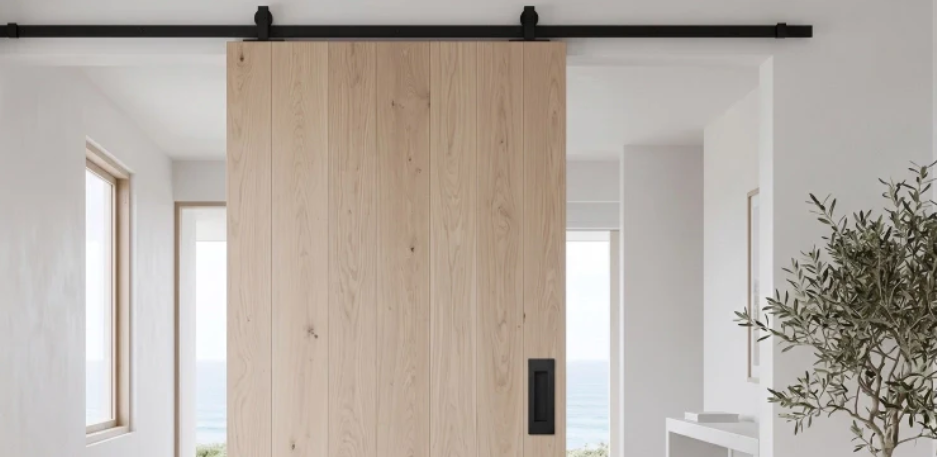
While sliding barn doors provide unique benefits, they are not universally superior to hinged doors. Comparing both systems helps determine the best choice for specific rooms.
Space Usage
- Sliding barn doors save swing space.
- Hinged doors require clearance but do not need adjacent wall space.
Privacy and Sound Control
- Hinged doors typically seal more tightly.
- Sliding barn doors may allow small gaps unless specially designed with overlapping frames.
Installation Complexity
- Hinged doors are simpler to install in pre-framed openings.
- Sliding systems require precise track mounting and wall reinforcement.
Accessibility
Sliding barn doors can be easier to operate for some individuals due to their smooth gliding mechanism, but they may require adequate upper body strength if the panel is heavy.
Each option serves different functional needs, and the choice depends on room layout and privacy requirements.
Maintenance Tips to Ensure Long Term Smooth Operation
Maintaining a sliding barn door system ensures consistent performance and prevents premature wear.
Regular Cleaning
- Wipe down the track to remove dust buildup.
- Clean rollers to prevent debris interference.
- Use gentle cleaners appropriate for the door material.
Hardware Inspection
- Tighten screws periodically.
- Check roller alignment.
- Inspect stops and floor guides for stability.
Lubrication
Apply suitable lubricant to rollers and tracks if recommended by the manufacturer. Avoid over-lubrication, as excess residue may attract dust.
Seasonal Checks
In regions with humidity changes, inspect wooden panels for expansion or contraction. Adjust hardware if necessary to maintain smooth operation.
With proper care, sliding barn doors can function efficiently for many years.
Conclusion
Choosing the right sliding barn door involves evaluating material options, installation requirements, spatial constraints, and design compatibility. These doors provide space-saving advantages while contributing character and style to various interiors. However, proper planning and maintenance are essential to ensure smooth operation and long-term reliability.
By understanding how sliding barn doors function and how they compare to traditional door systems, homeowners can make informed decisions that balance aesthetics with practicality.
FAQs
1. What rooms are best suited for sliding barn doors?
Sliding barn doors are ideal for closets, laundry rooms, pantries, home offices, and bathrooms where space is limited and swing clearance is restricted.
2. Are sliding barn doors soundproof?
They are not fully soundproof because small gaps may exist around the edges. However, solid-core panels can reduce noise transmission compared to hollow doors.
3. Can sliding barn doors be locked securely?
Yes, privacy locks and latch systems are available, but they may not provide the same level of security as traditional keyed door locks.
4. How much wall space is required for installation?
You need wall space equal to at least the width of the door panel so it can slide fully open without obstruction.
5. Are sliding barn doors suitable for small apartments?
Yes, they are particularly beneficial in small apartments because they eliminate the need for door swing clearance, maximizing usable floor space.